BALL Watch Engineer Hydrocarbon EOD Faces The Outer Edge Polar Challenge
A mechanical timepiece built for extreme conditions becomes the official watch of an ambitious wind-powered expedition across Iceland.
In July 2026, BALL Watch Company joined The Outer Edge Polar Challenge as Official Watch Partner, putting one of its most technically robust mechanical watches into an environment where precision, shock resistance and reliability were tested far beyond conventional conditions.
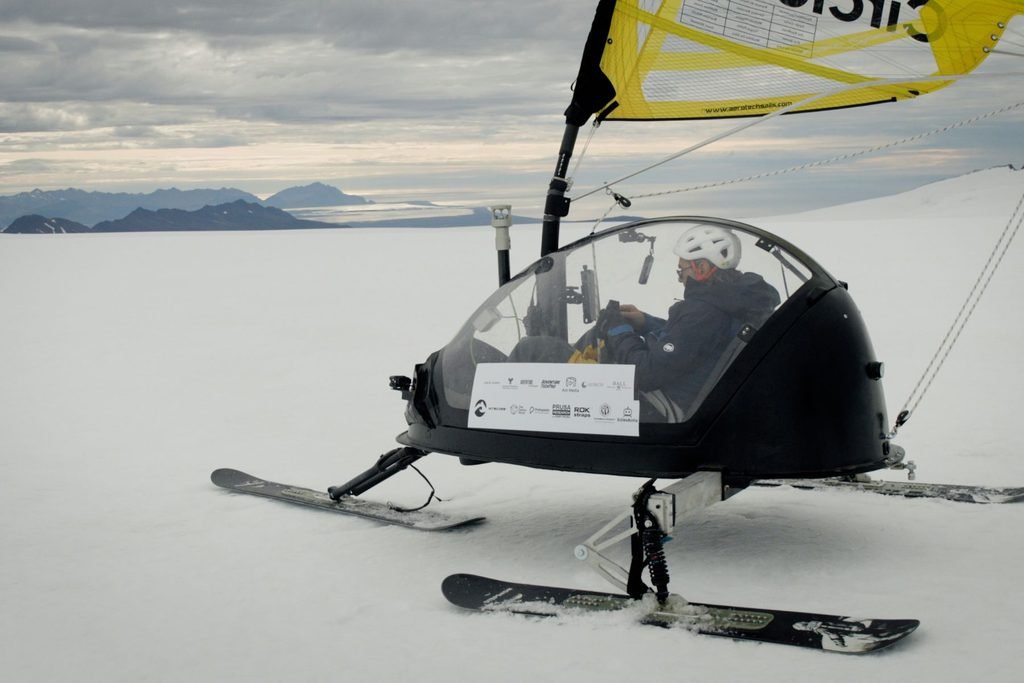
The expedition took place on Vatnajökull, Iceland’s vast ice cap, where expedition leader Charles Werb and his team attempted to operate the SWOOSH, a wind-powered snowsailer developed over a decade for speed and resilience in polar environments. Alongside the expedition itself, the project is now being transformed into North of Impossible, a documentary scheduled to premiere in London on November 26, 2026.
A Watch For The Extreme
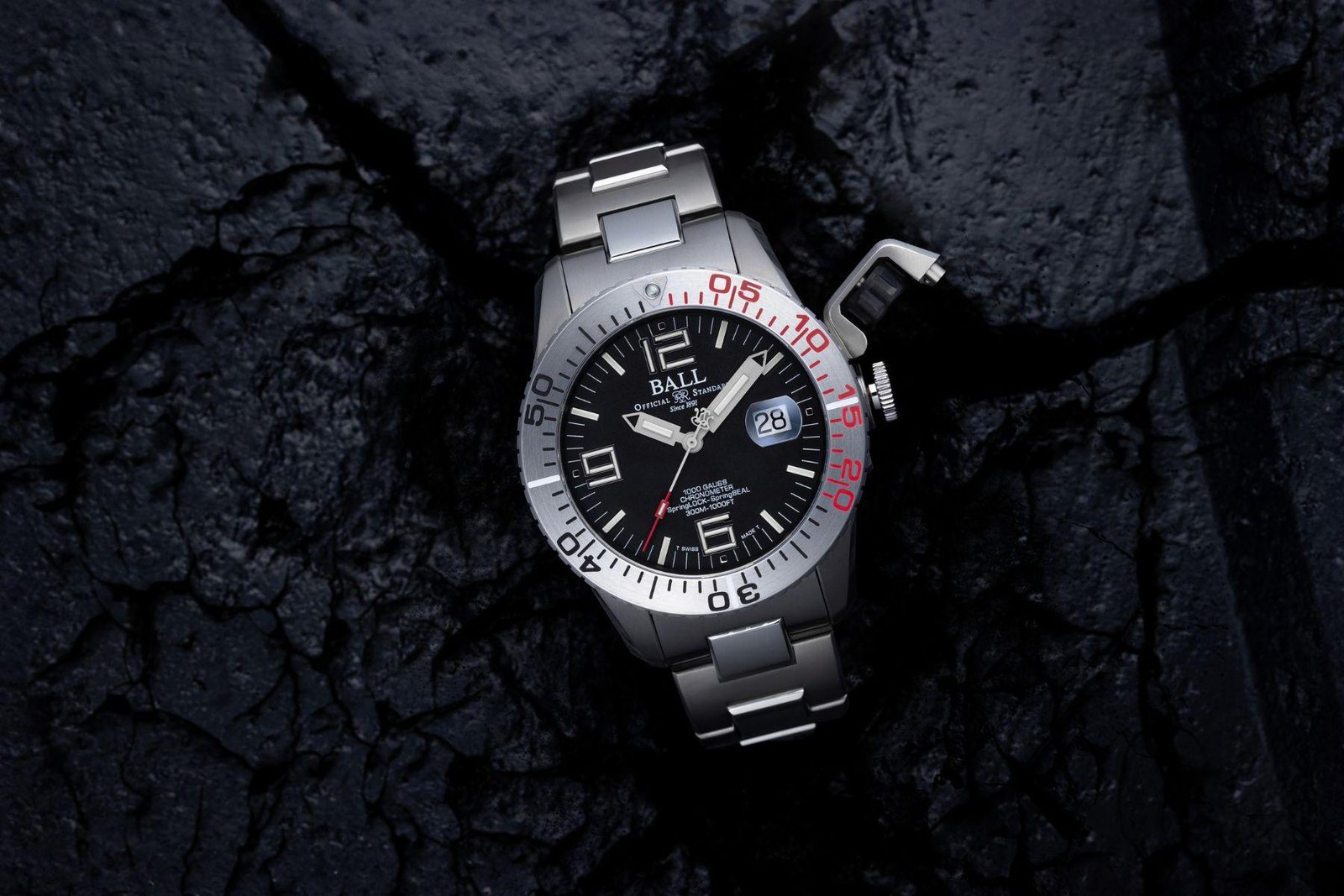
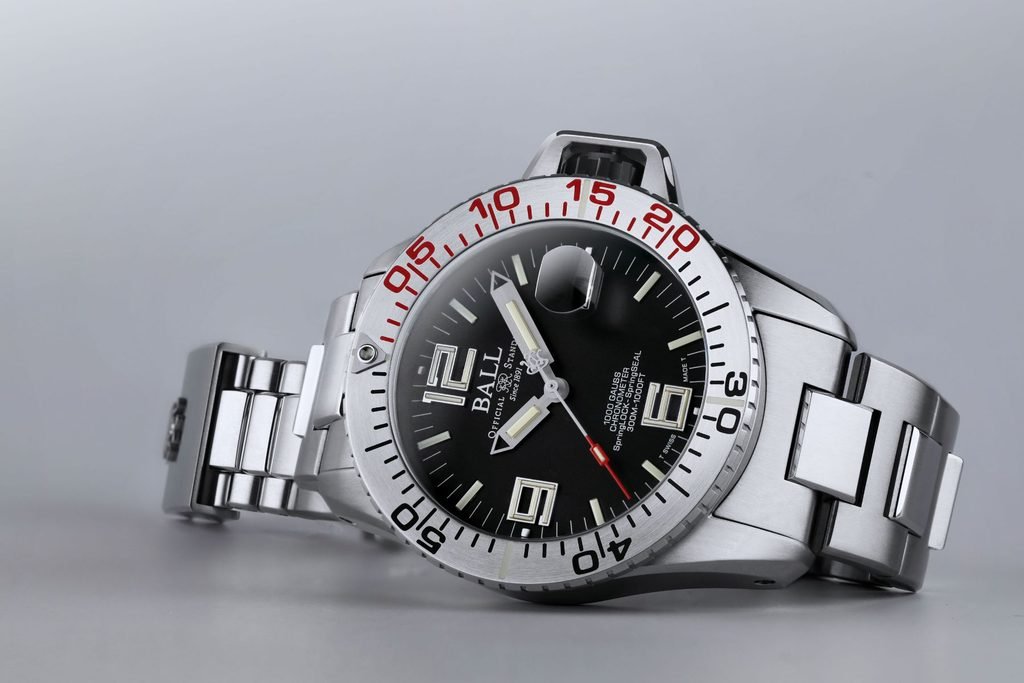
The official timepiece selected for the expedition was the BALL Engineer Hydrocarbon EOD, a 42mm titanium watch designed around resistance to shock, temperature, magnetism and water.
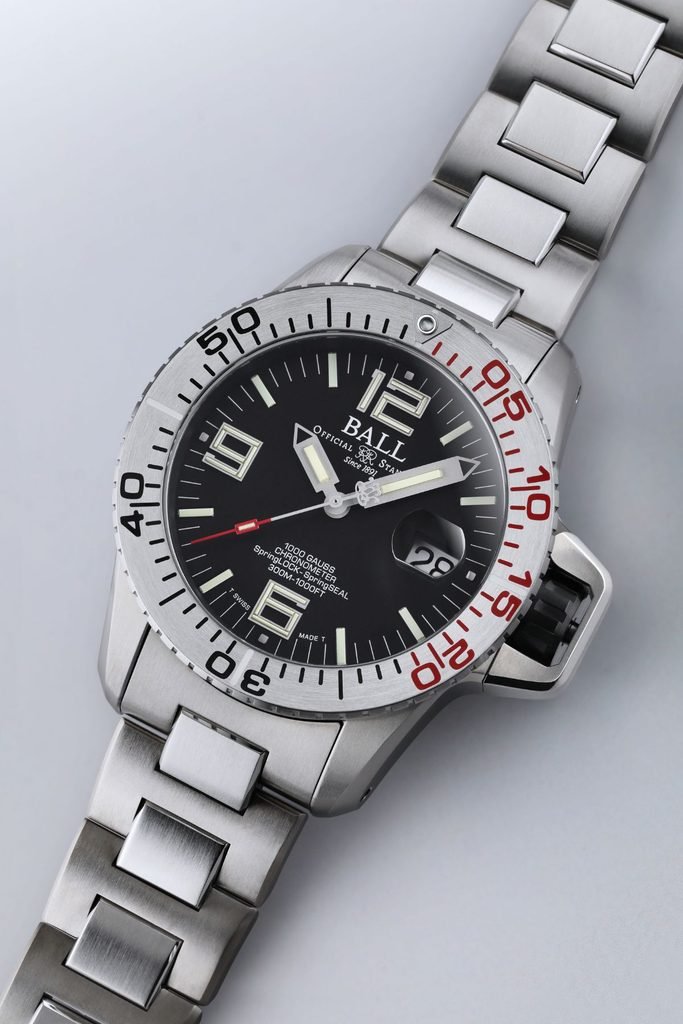
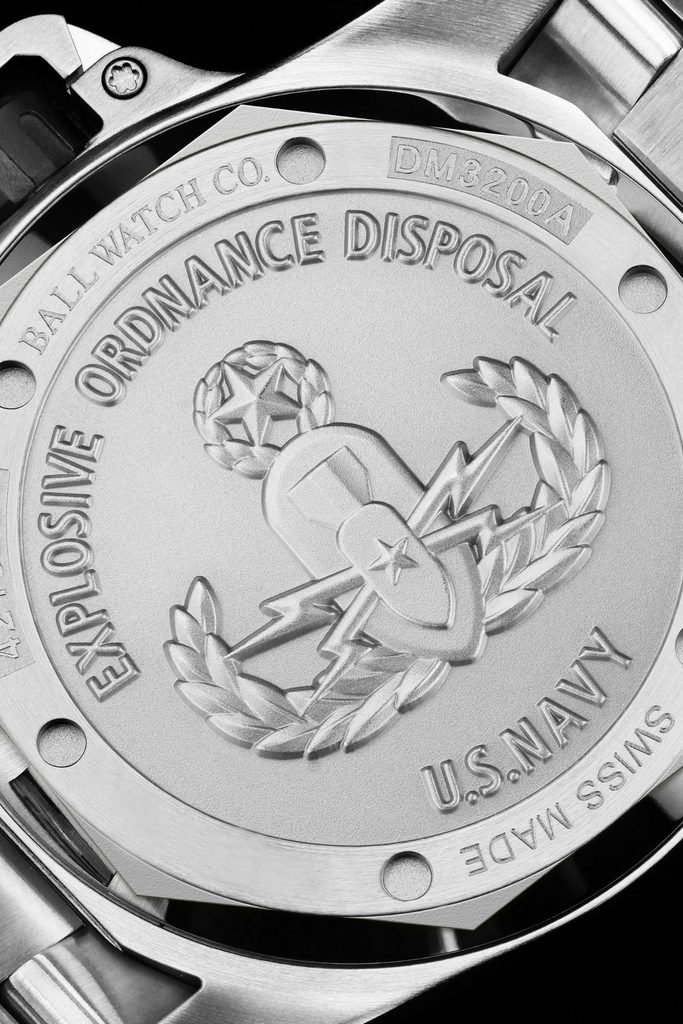
Licensed by the U.S. Navy Explosive Ordnance Disposal unit, the Engineer Hydrocarbon EOD incorporates several patented technologies intended to protect its mechanical movement against demanding environments. Its shock absorption elastomer ring is designed to allow the movement to withstand a 10-metre free fall, while BALL’s SpringSEAL® regulator and SpringLOCK® hairspring provide additional protection against shocks.


For the Outer Edge Polar Challenge, however, temperature resistance was equally important. The COSC-certified automatic calibre uses a special movement oil designed to operate across temperatures from -45°C to 80°C, a specification intended to address the extreme conditions encountered in subarctic environments.
Testing Timekeeping On The Glacier
The Outer Edge Polar Challenge was conceived as an attempt to push both human endurance and wind-powered engineering in one of the world’s most demanding environments. The SWOOSH snowsailer was designed to travel using wind power alone, while the expedition’s scientific and communication equipment was powered by solar energy.
The project did not progress according to its original plan. International freight delays meant the SWOOSH arrived in Iceland four days behind schedule, while damage sustained during transportation forced the team to rebuild critical components twice — once before deployment and again on the glacier.
When the wind finally arrived, the machine was able to move across the ice, bringing the expedition to its defining moment. The final speed achieved by the SWOOSH will be revealed through the documentary rather than during the initial expedition announcement.
Built To Stay Legible In The Dark
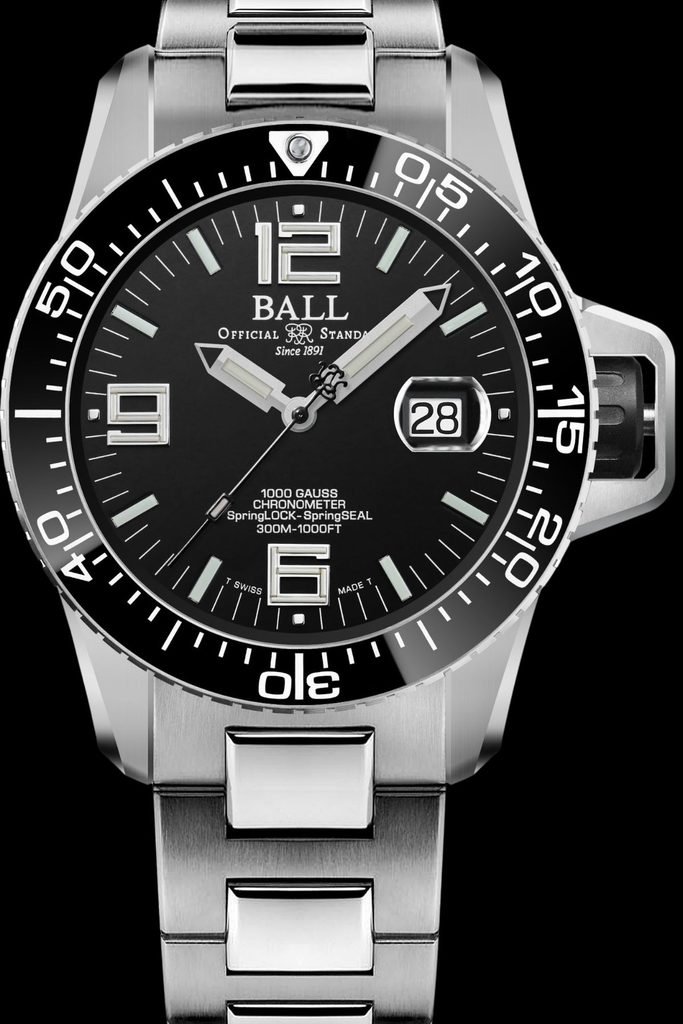
The Engineer Hydrocarbon EOD also brings a distinctive approach to low-light visibility. Instead of relying on conventional luminous paint, the watch uses self-powered micro gas tubes, allowing the hands and markers to remain continuously illuminated without requiring an external charging source.
According to BALL, the technology can produce illumination up to 100 times more powerful than conventional luminous paint. Combined with its 300-metre water resistance and anti-magnetic protection to 1,000 Gauss, the system was designed to maintain readability and reliability in environments where visibility and equipment resilience can become critical.
A mu-metal shield provides the magnetic protection, while a dedicated crown protection system reduces the possibility of unwanted external contact with the crown. The watch is completed by an anti-reflective sapphire crystal and a tapered titanium and stainless steel bracelet with a patented folding clasp.

From The Glacier To The Screen
The Outer Edge Polar Challenge leaves behind more than the engineering data gathered during the expedition. The team also documented the construction of the SWOOSH, its transport to Iceland, the technical setbacks, repairs and the human story surrounding the attempt.
That material is now being developed into North of Impossible, directed and filmed with Sven Schulte. Rather than focusing solely on the final performance of the snowsailer, the documentary will explore the ambition, engineering, risk and persistence behind the project.
The global premiere is scheduled for London on November 26, 2026, followed by a worldwide tour running through summer 2027.
For BALL Watch Company, the expedition provides a real-world setting for the Engineer Hydrocarbon EOD’s philosophy: a mechanical watch designed not simply to survive demanding conditions on paper, but to accompany its wearer when those conditions become reality.
Technical Specifications
| Model | BALL Engineer Hydrocarbon EOD |
| Case | Titanium |
| Diameter | 42 mm |
| Movement | COSC-certified Swiss automatic calibre |
| Shock Resistance | Elastomer shock absorption ring; resistance to a 10-metre free fall |
| Anti-Shock Systems | SpringSEAL® regulator and SpringLOCK® hairspring |
| Temperature Resistance | -45°C to 80°C |
| Water Resistance | 300 metres |
| Anti-Magnetic Resistance | 1,000 Gauss |
| Luminous System | Self-powered luminous micro gas tubes |
| Crystal | Anti-reflective sapphire |
| Crown Protection | Dedicated protective system |
| Bracelet | Tapered titanium and stainless steel |
| Clasp | Patented folding buckle |
| Expedition | The Outer Edge Polar Challenge, Iceland, July 2026 |
For more information, please visit the official BALL Watch website.
Explore the releases of 2026.