Horological Lexicon: Alarm
The complication that turns time into a sound.
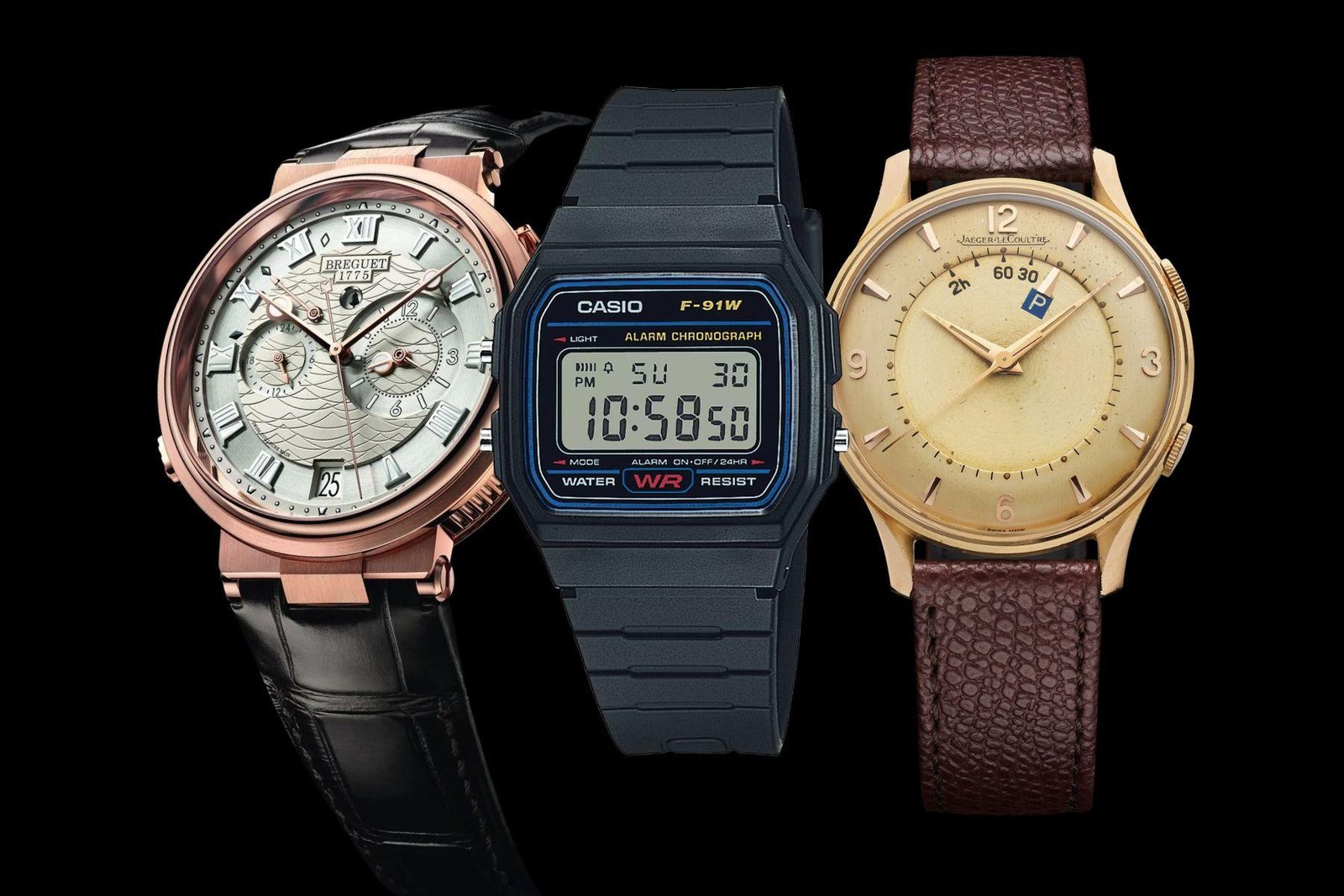
A watch alarm is a mechanical or electronic mechanism in a watch that produces an audible sound, vibration, or other signal at a predetermined time.
Unlike a standard time display, an alarm function is designed to actively notify the wearer of an event. It can be used as a wake-up reminder, to signal an appointment, mark the end of a period of time, or simply provide a practical alert during the day.
Although alarms are far less common than complications such as chronographs or date displays, they have a fascinating history in watchmaking and demonstrate how a wristwatch can do more than simply tell the time.
How Does a Watch Alarm Work?
The way a watch alarm works depends on the type of movement.
In a mechanical alarm watch, the alarm is powered by a spring and controlled by a separate mechanism within the movement. When the preset alarm time is reached, the mechanism releases a hammer that strikes a resonating surface, such as a gong, membrane, or part of the watch case.
This creates the characteristic ringing, buzzing, or vibrating sound associated with mechanical alarm watches.
The challenge for watchmakers is not simply making the alarm produce a sound. The mechanism must be carefully engineered so that it can generate enough energy to create an audible signal while remaining compact enough to fit inside a wristwatch.
The construction of the case is also important. The materials, internal architecture and surfaces used to transmit the sound can significantly influence the character and volume of the alarm.
Mechanical Alarms
Mechanical watch alarms are among the most fascinating examples of traditional watchmaking.
Instead of using a battery or electronic speaker, the alarm mechanism relies on stored mechanical energy. A dedicated spring or barrel stores the energy needed to activate the alarm, while the movement controls when that energy is released.
When the alarm is triggered, a small hammer repeatedly strikes a membrane, gong or other resonating element. Depending on the construction, the resulting sound can range from a relatively soft buzzing to a distinctive ringing tone.
Because the alarm requires its own energy source and additional components, mechanical alarm watches are generally more complicated to design than conventional mechanical watches.
They also require careful engineering to balance volume, duration and precision. The alarm needs enough energy to produce a useful signal, but excessive energy can affect the size and efficiency of the movement.
Some mechanical alarm watches therefore have a separate winding system for the alarm, allowing the wearer to wind the timekeeping mechanism and alarm mechanism independently.
A Short History of Alarm Watches
The alarm is not a new idea in horology. Mechanical alarm mechanisms existed in clocks long before they were miniaturised into wristwatches.
The development of watch alarms became particularly interesting during the 20th century, when watchmakers began looking for ways to make mechanical watches more useful in everyday life.
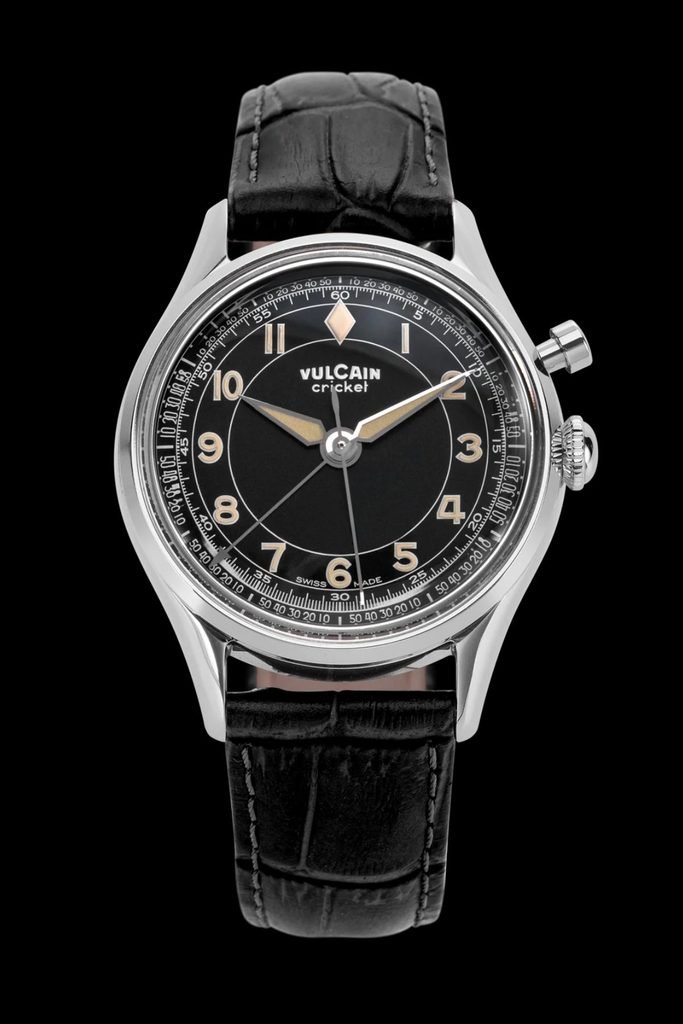
One of the most famous examples of a mechanical watch alarm is the Jaeger-LeCoultre Memovox, introduced in 1950. The name comes from Latin and can be translated as “voice of memory”. The Memovox became one of the defining mechanical alarm watches of the 20th century.
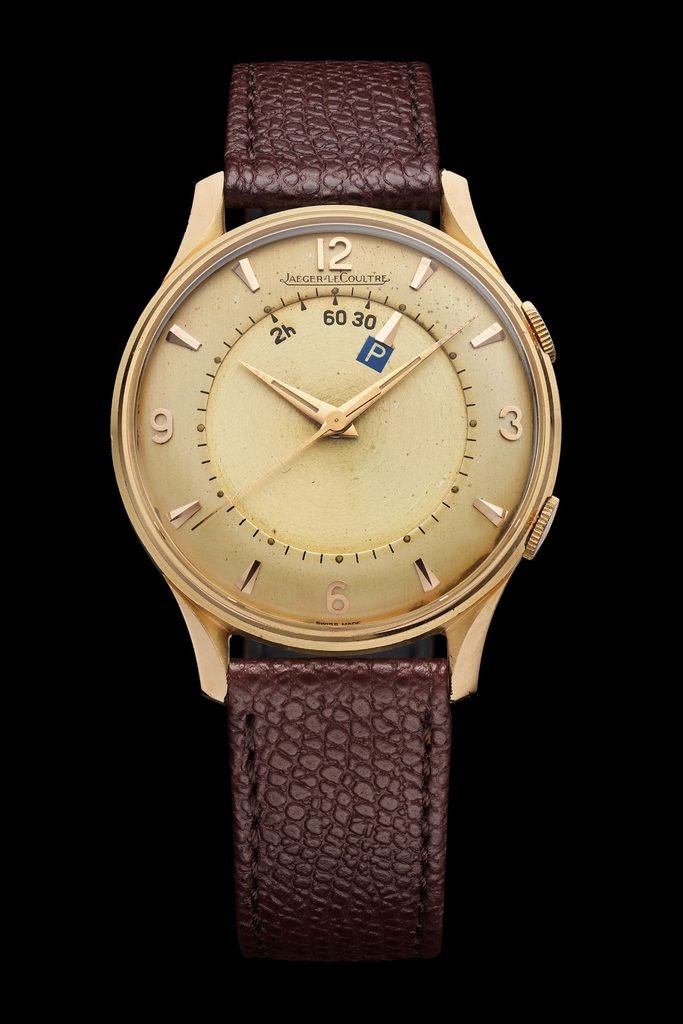
Jaeger-LeCoultre later combined the alarm with automatic winding. In 1957, the company presented its automatic Memovox as the world’s first self-winding alarm wristwatch, combining the convenience of an automatic movement with the practical alarm function.
The Memovox also demonstrates how an alarm could be adapted for purposes beyond waking up. During the 1950s, Jaeger-LeCoultre developed versions such as the Memovox International and Memovox Parking, with the latter allowing the alarm to function as a parking-time reminder.
The technology even found a place in professional watches. The Memovox Polaris, for example, used its alarm as a practical warning for divers, helping indicate when it was time to return to the surface. Its case was specifically engineered to allow the sound to be transmitted while maintaining water resistance.
Quartz and Digital Alarms
The arrival of quartz technology changed the way watch alarms could be implemented in watches.
Instead of relying on a mechanical hammer and resonating case, quartz watches can use an electronic circuit to trigger an electronic buzzer or other sound-producing component.
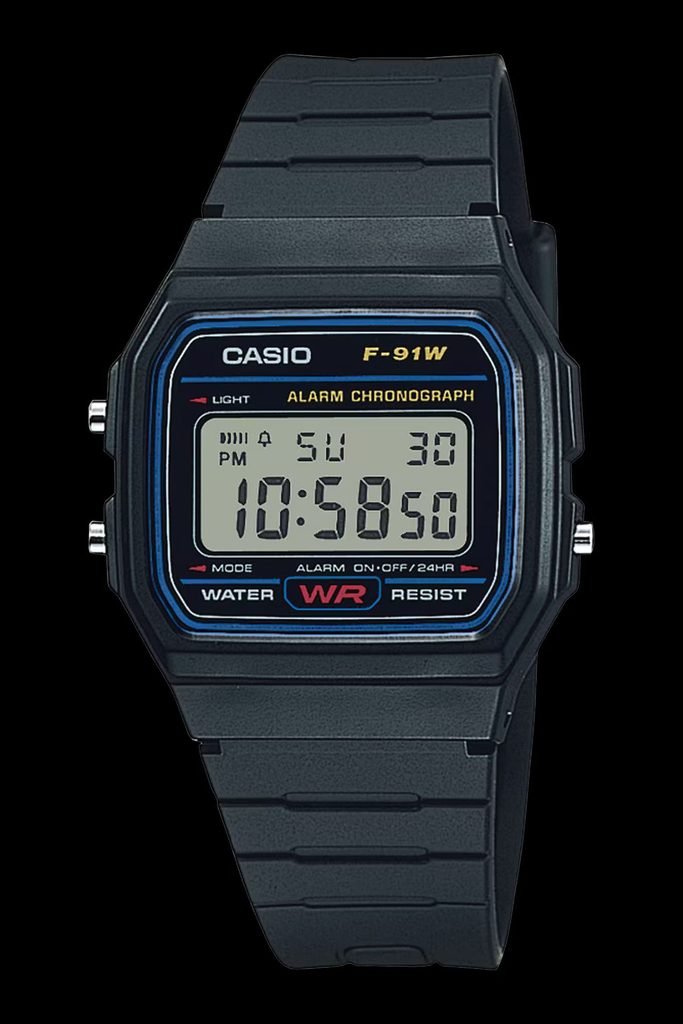
This makes it possible to offer features that are difficult to achieve with a traditional mechanical alarm, including multiple alarms, greater precision, louder electronic alerts and snooze functions.
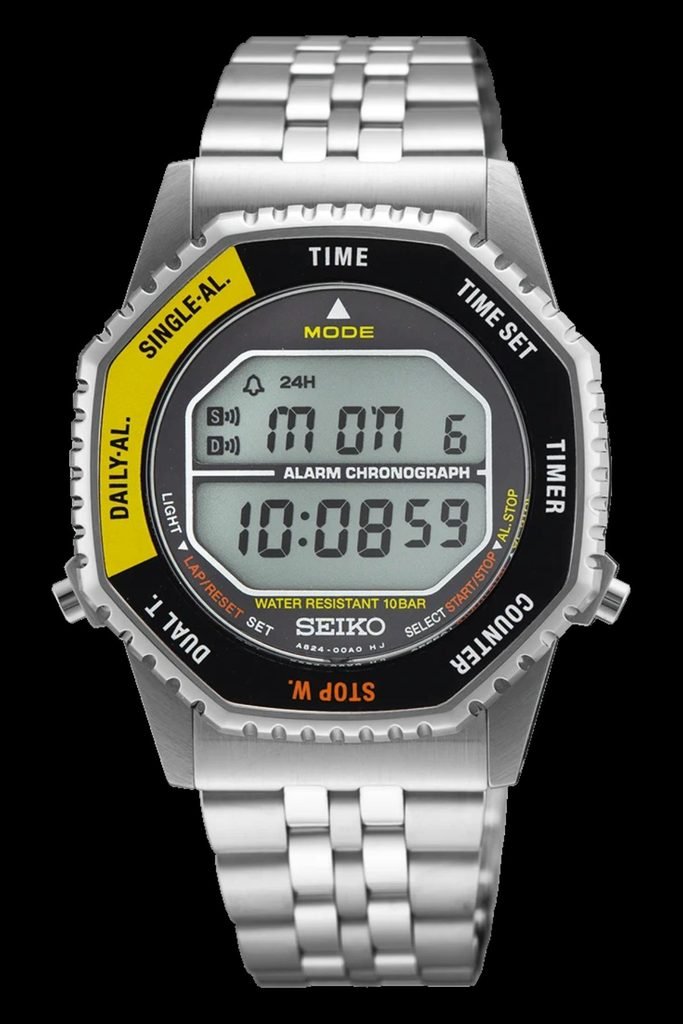
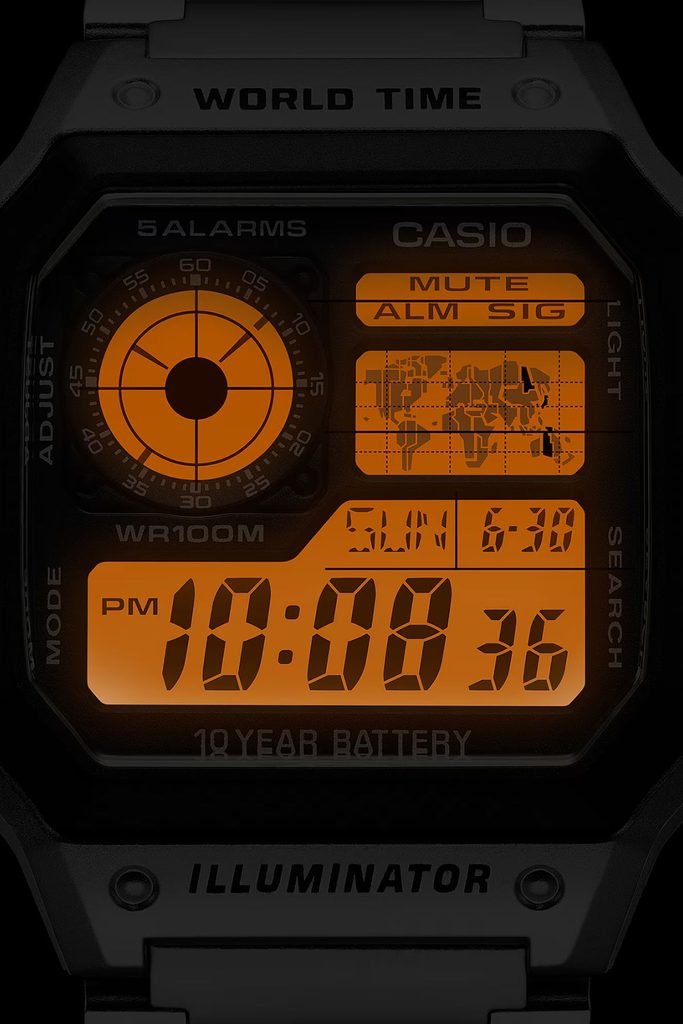
Digital watches took this concept even further. An alarm could be programmed through the display and controlled electronically, making the function simple and highly practical.
Today, smartwatches have expanded the concept again. In addition to audible alarms, they can use vibration or haptic feedback to alert the wearer. This is particularly useful when a discreet notification is preferable to a sound.
Alarm vs. Minute Repeater
An alarm can sometimes be confused with another famous horological complication: the minute repeater.
The two mechanisms produce sound, but their purposes are completely different.
An alarm is programmed to signal a specific moment or elapsed period chosen by the wearer.
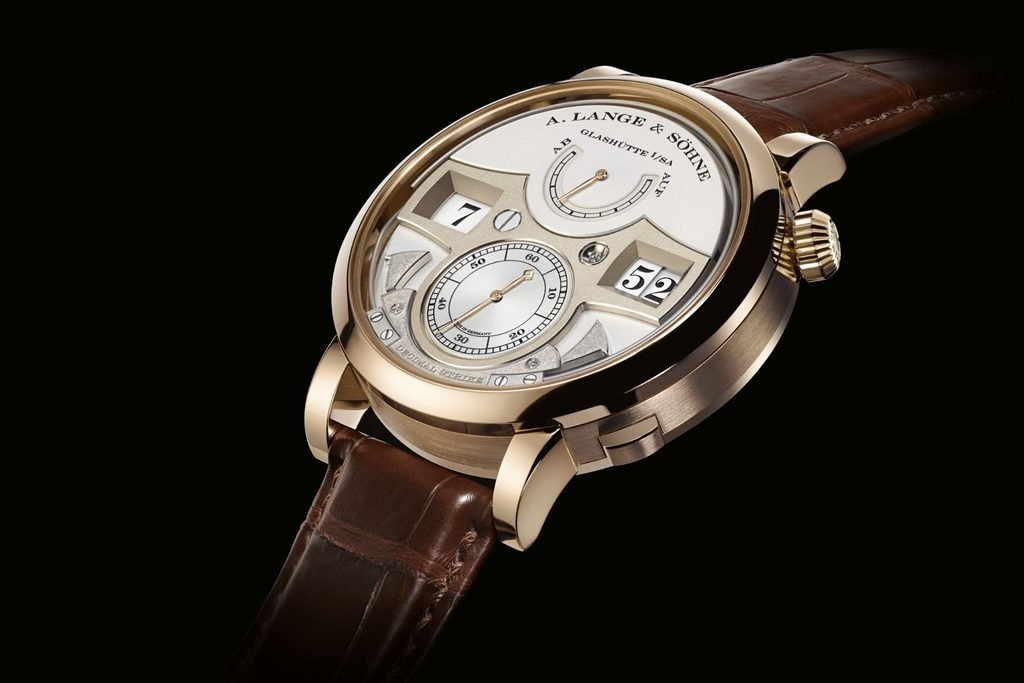
A minute repeater, on the other hand, is activated on demand and chimes the current time. Traditional minute repeaters use hammers striking gongs to distinguish hours, quarters and minutes.
In simple terms, an alarm tells you when something you have chosen is happening, while a minute repeater tells you what time it is through sound.
Why Are Alarm Watches Special?
Alarm watches occupy an unusual position in modern watchmaking.
From a practical perspective, smartphones have made dedicated mechanical alarms almost unnecessary for everyday life. Yet the complication remains attractive because of the mechanical ingenuity required to create it.
An alarm watch effectively contains two functions working together: a mechanism that keeps track of time and another mechanism that waits for the programmed moment before releasing its stored energy.
That makes the alarm an excellent example of how traditional watchmaking can transform something as simple as a reminder into a complex mechanical experience.
For collectors, the appeal is not only the function itself but also the sound. Different movements and case constructions can produce remarkably different acoustic signatures, making the alarm part of the personality of the watch.
The Modern Alarm
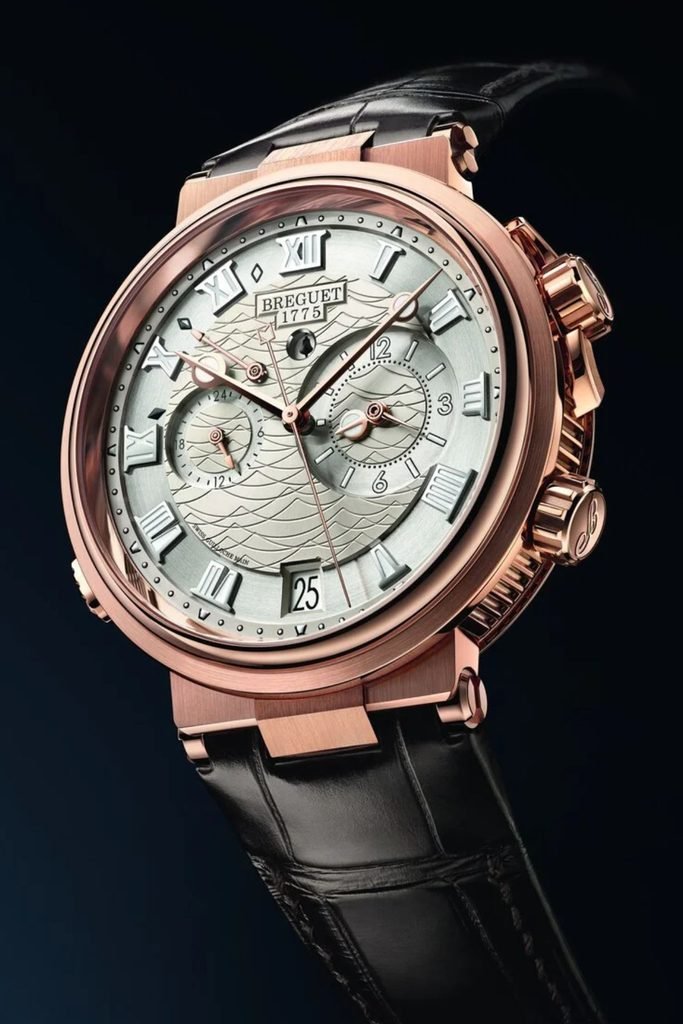
Although mechanical alarm watches are now relatively rare, the complication has not disappeared.
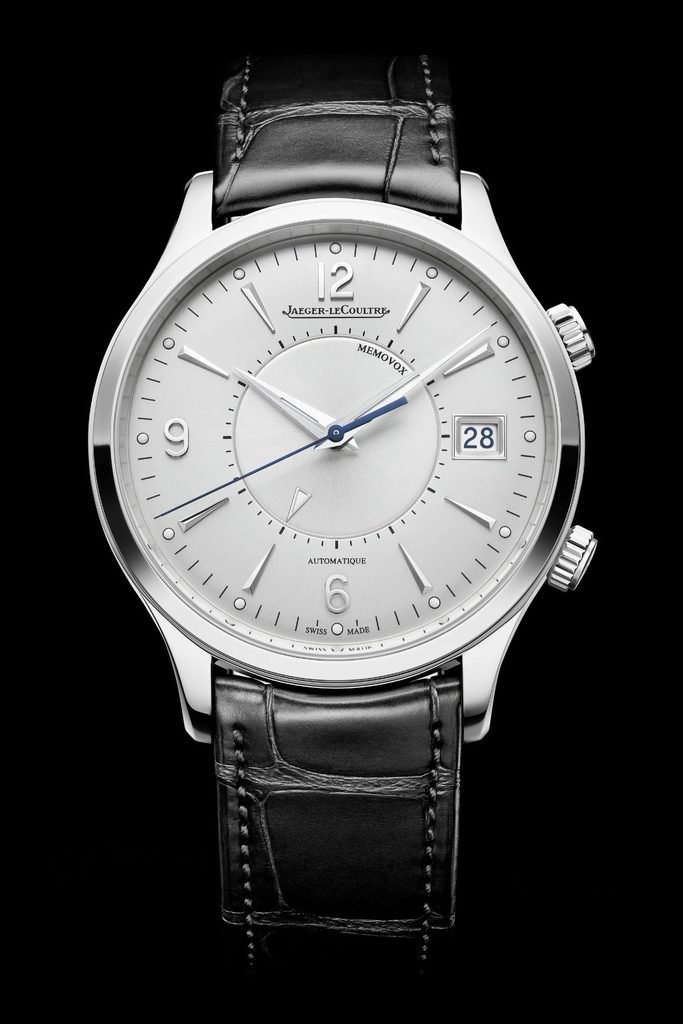
Modern mechanical examples continue to demonstrate how traditional techniques can be combined with contemporary design. Jaeger-LeCoultre, for example, has continued the Memovox tradition with modern alarm watches and timer functions. Its Master Control Memovox Timer can be set either for a specific time or as a countdown based on the number of hours until the alarm should sound.
The principle remains remarkably simple: set the moment, wait for the mechanism to reach it, and let the watch remind you.
Whether the signal comes from a mechanical hammer striking a gong, an electronic buzzer or a vibration motor, the purpose of an alarm remains the same — to turn time into an active notification.
In Short
A watch alarm is a watch mechanism designed to notify the wearer at a predetermined time or after a set period.
Mechanical alarm watches use stored energy and a mechanical striking system to create a sound, while quartz and digital watches can use electronic signals, sounds and vibrations.
It may no longer be an essential complication in everyday life, but the alarm remains one of the most interesting examples of watchmaking turning the simple measurement of time into something interactive.
Continue exploring the world of watchmaking with the Horological Lexicon. Discover essential watch terms and concepts, explained simply and clearly.