Horological Lexicon: Accuracy
The measurable pursuit of precision in timekeeping
In horology, accuracy refers to the degree to which a watch measures time in exact alignment with a reference standard. It is typically expressed as the variation in seconds gained or lost over a 24-hour period, offering a clear and quantifiable indication of performance. While the concept appears straightforward, its execution – particularly in mechanical watchmaking – is inherently complex.
The Regulating Organ
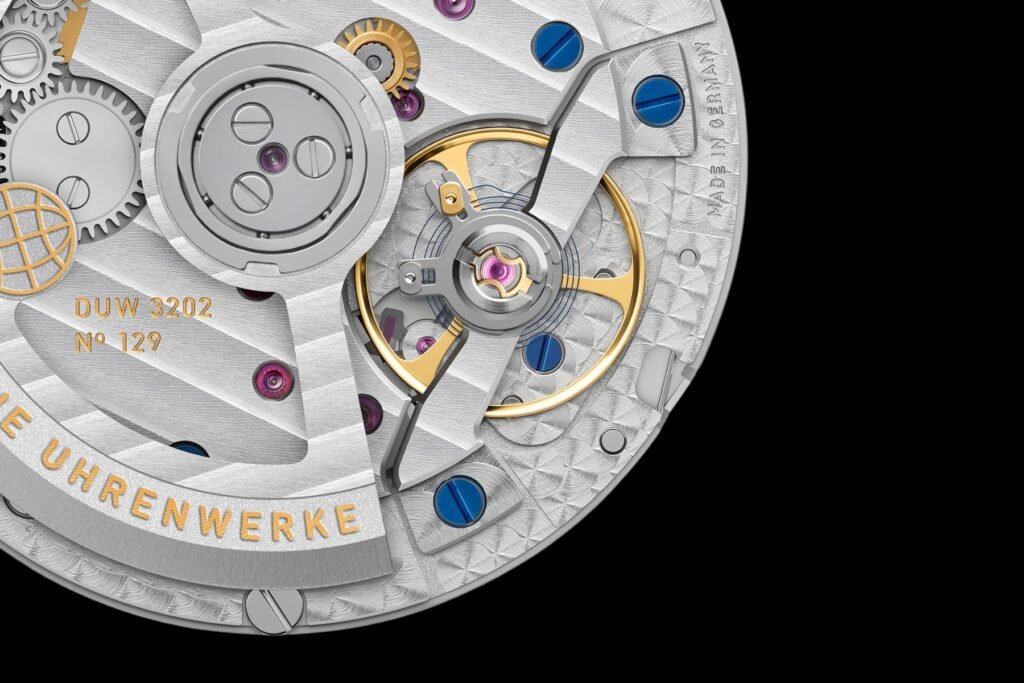
In a mechanical movement, accuracy is governed by the consistency of the regulating organ, primarily the balance wheel and hairspring. These components oscillate at a fixed frequency, dividing time into equal intervals. Any irregularity in this oscillation – however minute – results in deviation. As such, accuracy is not defined by perfection, but by the stability of rate over time.
Variables and Influences
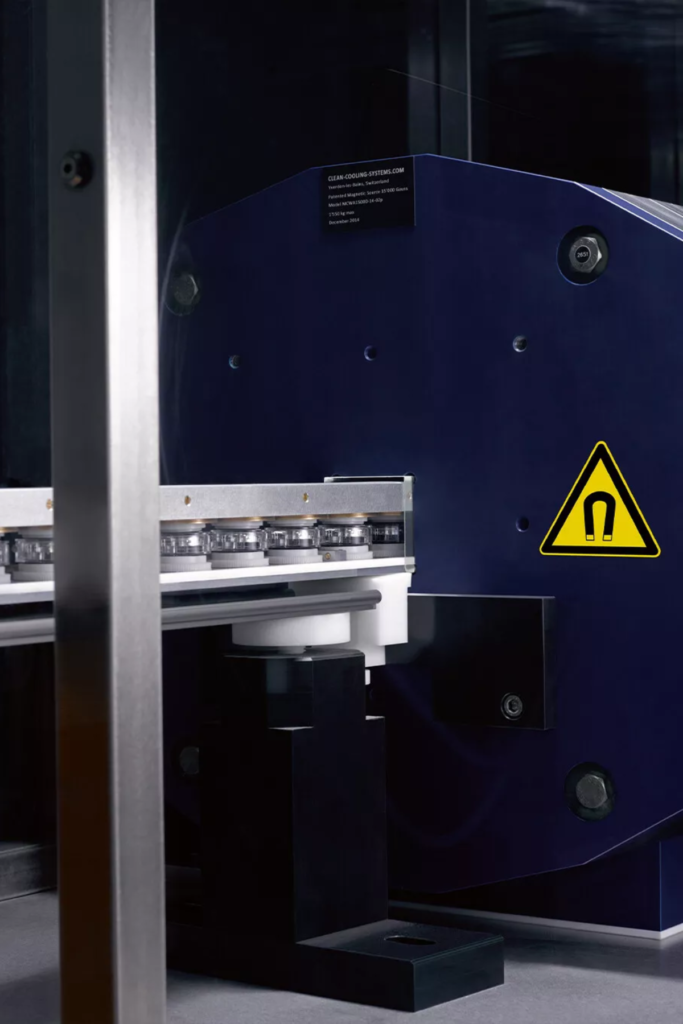
Several external and internal factors influence this stability. Positional variance plays a significant role: a watch may run differently when lying flat compared to being worn vertically on the wrist. Temperature fluctuations can alter the elasticity of the balance spring, while friction, lubrication degradation, and mechanical wear gradually impact performance. Magnetic fields are another critical variable, capable of disrupting the delicate oscillation of the regulating system.
Standards and Tolerances
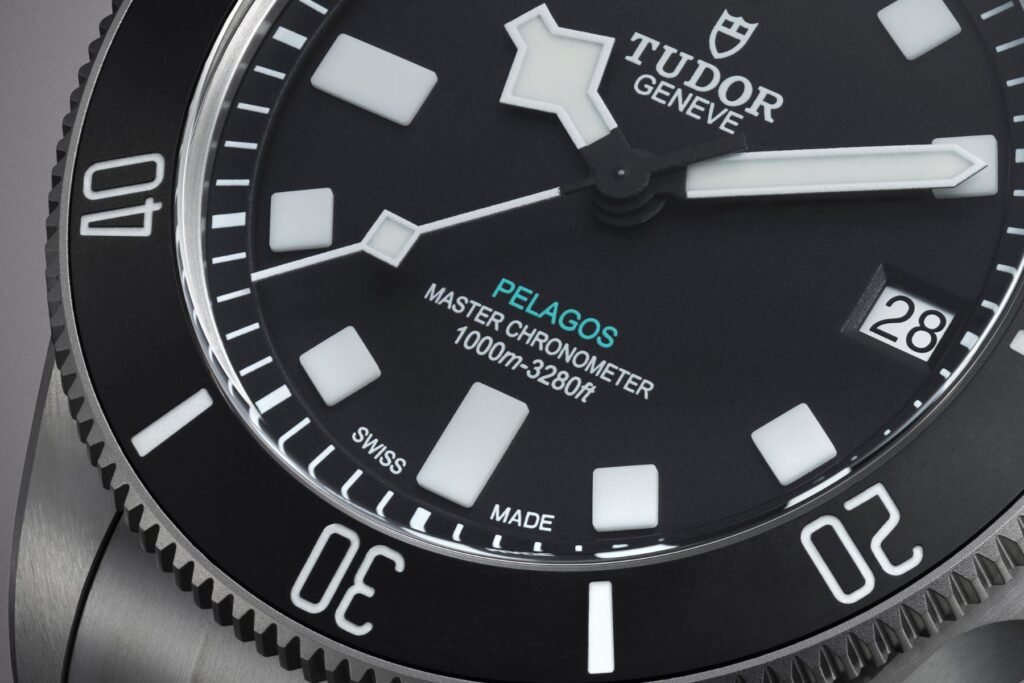
Due to these variables, accuracy in mechanical watches is measured within tolerances rather than absolutes. Industry benchmarks provide context for this performance. For instance, a movement certified by the COSC must maintain an average daily rate within a narrow range, typically between -4 and +6 seconds per day. This standard does not represent perfection, but rather controlled precision under defined conditions.
Mechanical vs Quartz
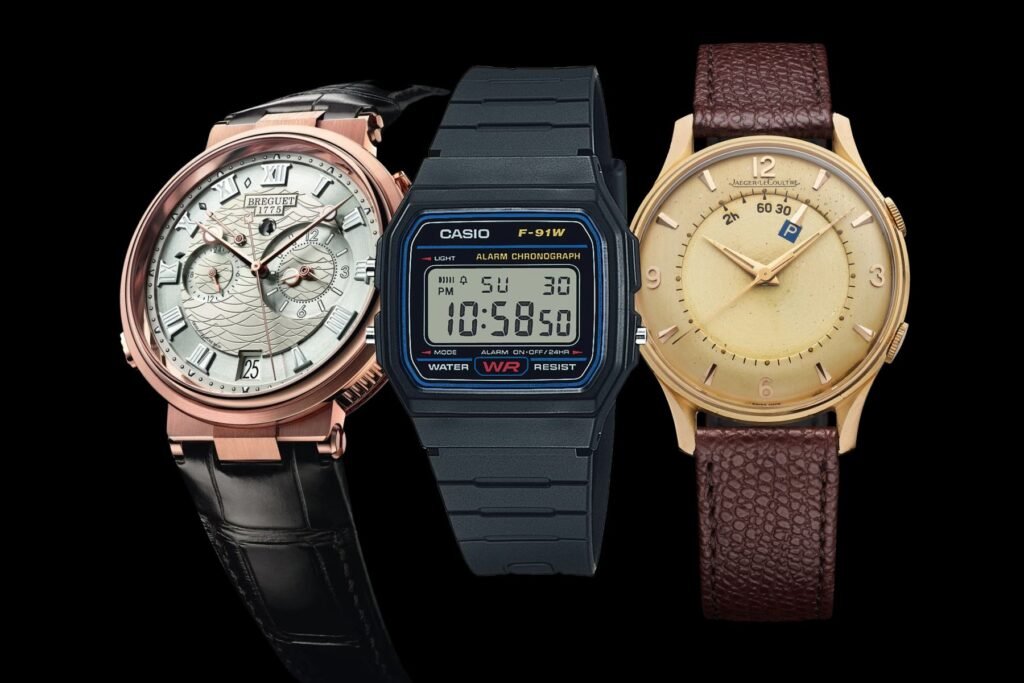
Quartz movements, by contrast, operate under a fundamentally different principle. Regulated by the vibration of a quartz crystal at a highly stable frequency, they achieve far greater consistency, often deviating by only a few seconds per month. This highlights a key distinction: in horology, accuracy is not universal, but relative to the technology employed.
A Matter of Consistency
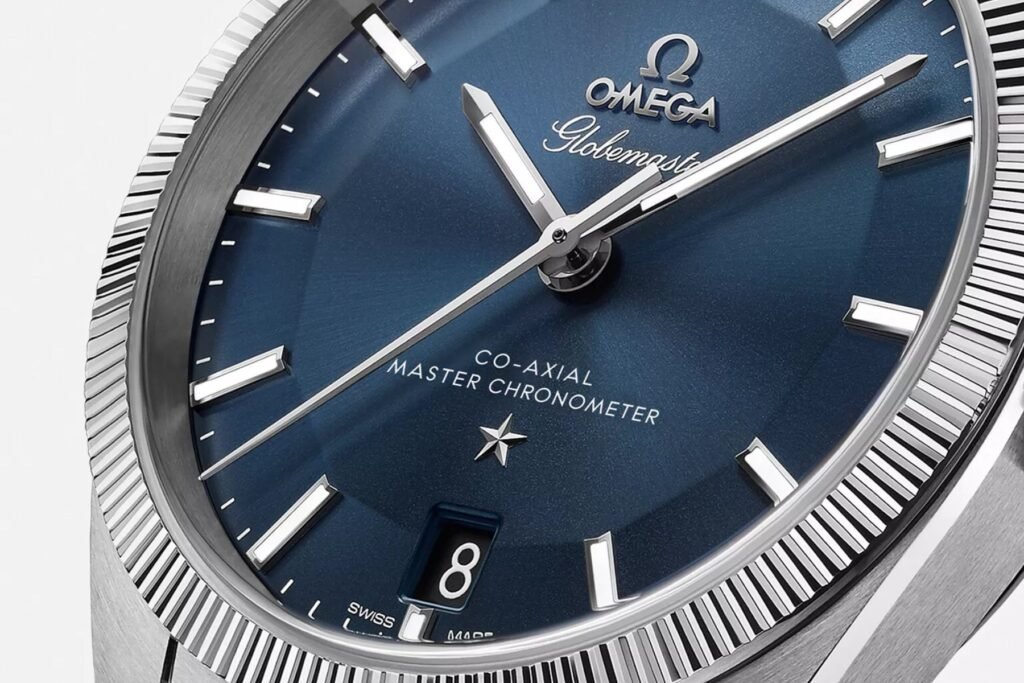
Ultimately, accuracy is best understood as the ability of a watch to maintain a consistent rate within predictable limits. It is a measurable performance, shaped by design, regulation, and environment — and one of the most essential criteria by which any timepiece is evaluated.
Explore the newest watch releases in our latest news section.