Horological Lexicon: Amplitude
When discussing the performance of a mechanical watch, amplitude is one of the most important measurements used by watchmakers. But what exactly does amplitude mean, and what can it tell us about a movement?
What Is Amplitude?
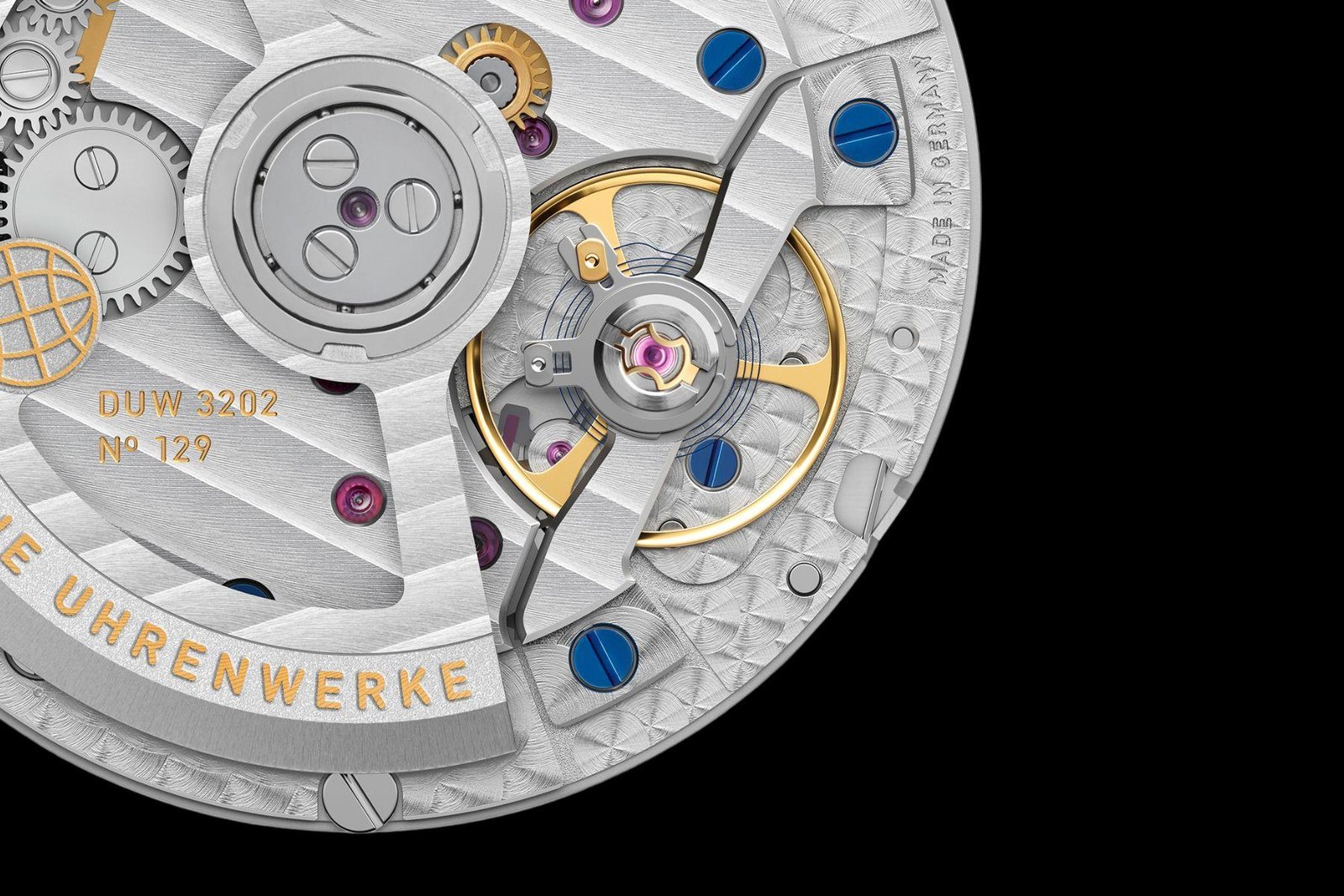
In mechanical watchmaking, amplitude refers to the angle through which the balance wheel rotates as it swings back and forth. It is measured in degrees and provides an indication of how efficiently the movement is operating.
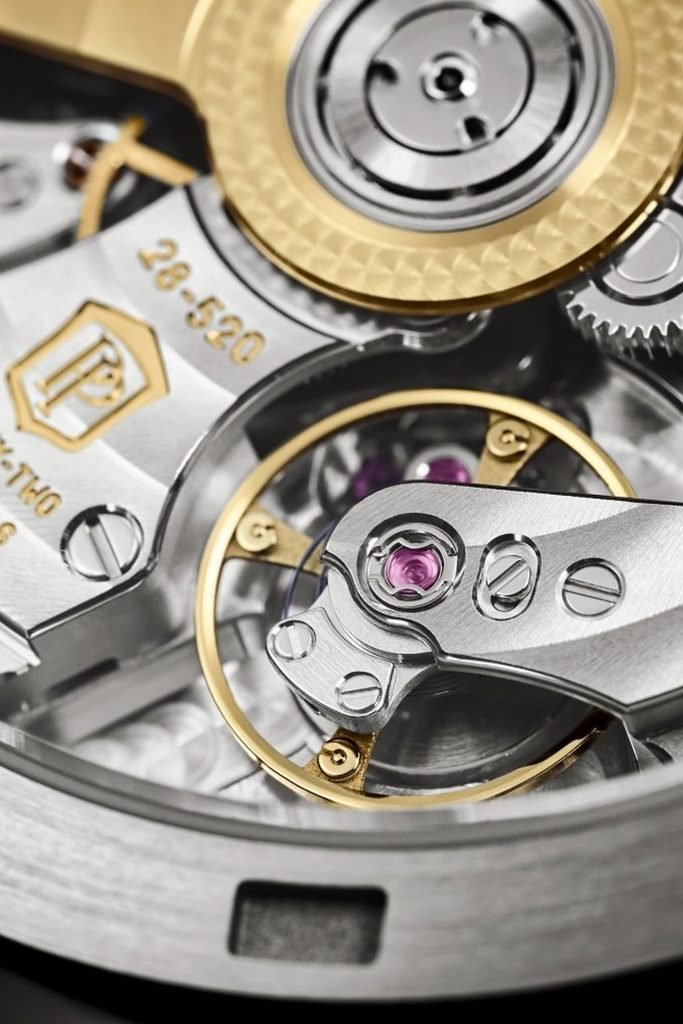
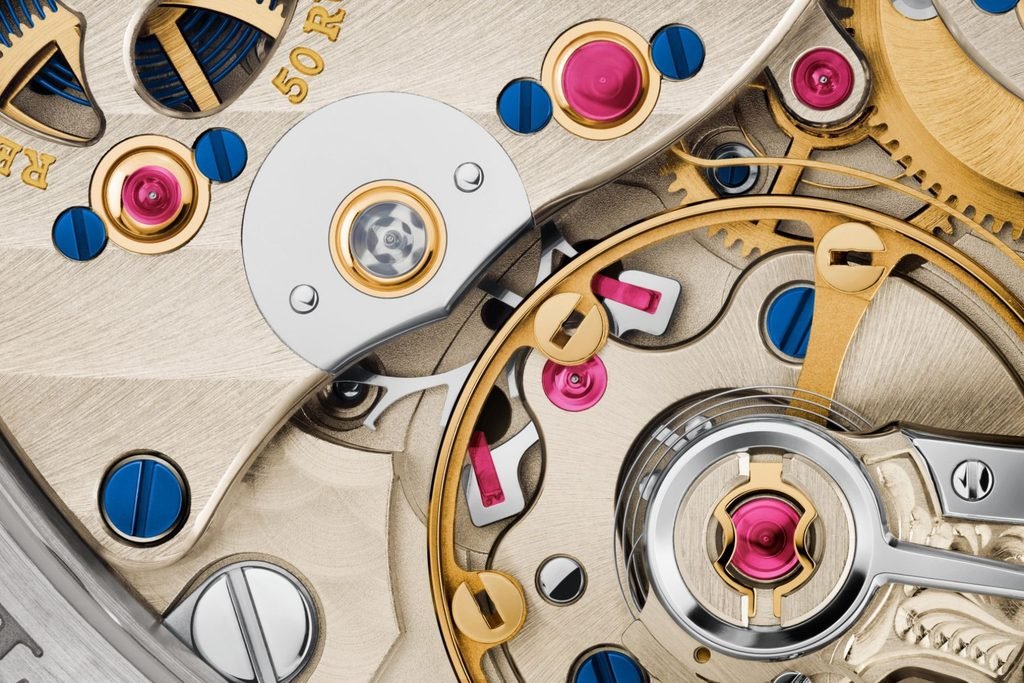
The balance wheel is one of the key components of a mechanical watch’s regulating system. As it oscillates back and forth, it controls the release of energy through the escapement, helping determine how accurately the watch keeps time. The angle through which the balance travels during its oscillation is what we refer to as its amplitude.
Why Is Amplitude Important?
Amplitude is an important indication of the overall performance of a mechanical movement because it provides information about the amount of energy reaching the balance and how freely the regulating system is able to oscillate.
A movement operating with a stable amplitude within the range intended by its manufacturer will generally provide more consistent timekeeping. However, a higher amplitude does not automatically mean a better-performing movement. The appropriate amplitude depends on the design of the specific calibre, meaning that both unusually low and unusually high readings can indicate that something is not operating as intended.
For this reason, amplitude is not simply a measurement of accuracy. For watchmakers, it is also an important diagnostic tool that can help reveal potential problems within a movement.
What Affects Amplitude?
Several factors can influence the amplitude of a mechanical watch, with the amount of energy available to the movement being one of the most important. As the mainspring gradually releases its stored energy, the force available to drive the movement decreases. As a result, amplitude will generally become lower as the watch approaches the end of its power reserve.
Lubrication also plays an important role. The oils and lubricants inside a mechanical movement are designed to reduce friction between its components. As these lubricants deteriorate, dry out or become contaminated over time, friction can increase and more energy can be lost within the movement. This can result in reduced amplitude.
The physical condition of the movement can have a similar effect. Wear affecting components such as pivots, bearings or gears can increase friction and reduce the amount of energy reaching the balance. For this reason, an unusually low amplitude can sometimes be an indication that a movement requires maintenance or further inspection.
The position of the watch can also influence amplitude. A mechanical watch does not necessarily produce exactly the same reading when it is placed dial-up, dial-down, crown-up or in another position. Gravity affects the components differently depending on their orientation, and some variation between positions is normal.
Temperature can also influence the behaviour of a mechanical movement. Changes in temperature can affect the regulating system and the viscosity of the lubricants, which can consequently influence both amplitude and timekeeping.
Magnetism is another factor to consider. Strong magnetic fields can affect components such as the hairspring, potentially changing the way the balance oscillates. Modern mechanical watches increasingly use anti-magnetic materials and technologies to reduce these effects, but magnetism can still be relevant when diagnosing an unexpected change in performance.
What Is a Typical Amplitude?
There is no single ideal amplitude for every mechanical watch because the appropriate range depends on the design and specifications of the individual movement.
As a general reference, a fully wound mechanical movement may commonly show an amplitude of approximately 270° to 310°, although some calibres are designed to operate outside this range. What matters most is not simply whether the number is high or low, but whether it is appropriate for the specific calibre and remains reasonably stable.
A significantly low amplitude can be associated with problems such as excessive friction, deteriorated lubrication, worn components or insufficient energy reaching the balance. On the other hand, excessively high amplitude can also indicate a problem with the movement’s regulation. If the balance travels too far, the movement can experience a condition known as over-banking, where the regulating system becomes unstable.
How Is Amplitude Measured?
Amplitude is normally measured using a timing machine, commonly known as a timegrapher. This instrument analyses the sounds produced by the escapement and uses them to provide information about the movement’s performance.
A timing machine can provide several important measurements, including rate, amplitude and beat error. Rate indicates whether the watch is gaining or losing time, amplitude shows how far the balance is oscillating, and beat error measures the difference between the balance’s movement in each direction.
These measurements are normally considered together rather than individually. A watch may have a seemingly healthy amplitude but still gain or lose time because of incorrect regulation or another issue. Amplitude therefore provides valuable information, but it cannot by itself determine whether a movement is accurately regulated.
Amplitude and Accuracy
Amplitude and accuracy are closely connected, but they are not the same thing. The balance wheel is responsible for regulating the movement, so its behaviour naturally has an influence on timekeeping. However, a watch with a healthy amplitude can still be running too fast or too slowly if it is incorrectly regulated.
Likewise, a watch may temporarily show acceptable timekeeping even when its amplitude is lower than expected. This is why watchmakers look at amplitude alongside other measurements when assessing the performance and condition of a movement.
In other words, amplitude should be seen as one part of the larger picture of mechanical watch performance, rather than as a simple indication of whether a watch is accurate or inaccurate.
Why Does Amplitude Change During the Power Reserve?
A mechanical watch stores energy in its mainspring. When the spring is fully wound, it contains a greater amount of stored energy and is able to deliver force to the movement. As the watch runs and the mainspring gradually unwinds, the available energy decreases.
This naturally leads to a reduction in amplitude over the course of the power reserve. Mechanical movements are designed to manage this energy as consistently as possible, but some variation is expected.
Certain movements use technologies designed to improve the consistency of energy delivery. These can include sophisticated mainspring systems, improved gear trains and, in more specialised movements, constant-force mechanisms. By controlling the energy reaching the regulating system more consistently, these technologies can help maintain more stable performance.
Amplitude as a Diagnostic Tool
One of the most useful aspects of amplitude is its value as a diagnostic measurement. Rather than looking at a single number in isolation, a watchmaker can compare amplitude at different stages of the power reserve and in different positions.
For example, if a movement shows a healthy amplitude when fully wound but experiences a significant drop after several hours, this may indicate that energy is not being delivered consistently. Similarly, unusually large differences between positions can provide clues about friction, lubrication, wear or regulation.
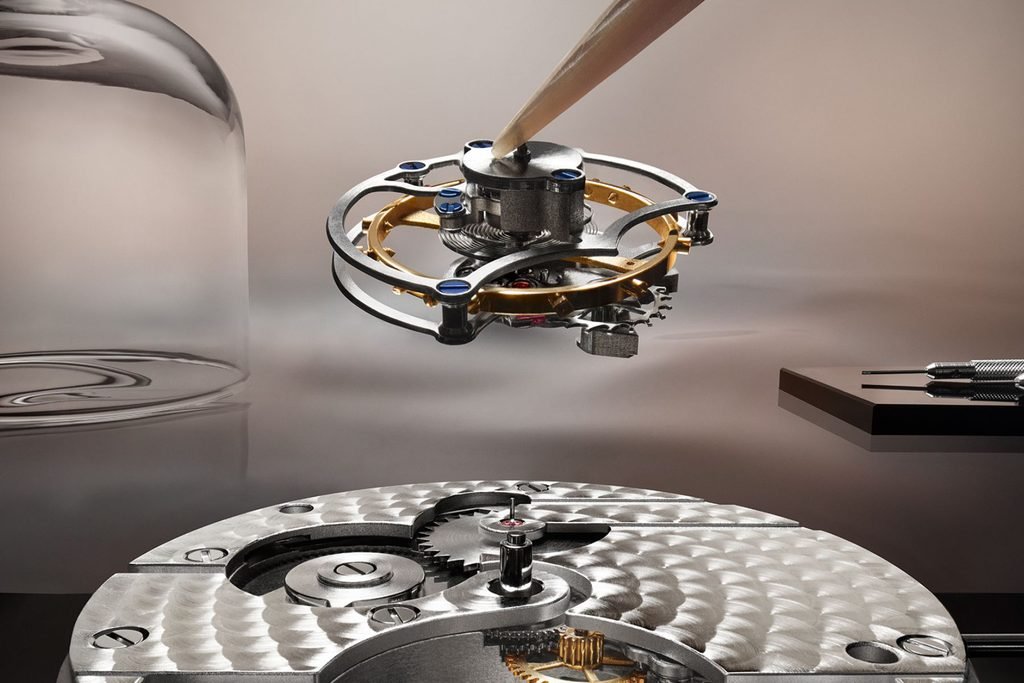
This makes amplitude much more than simply a number displayed on a timing machine. When interpreted alongside rate and beat error, it can help a watchmaker understand what is happening inside the movement and determine whether further inspection or servicing may be necessary.
In Short
Amplitude is the angle through which a mechanical watch’s balance wheel swings, measured in degrees. It provides an important indication of the energy reaching the regulating system and the overall performance of the movement.
Amplitude is influenced by several factors, including power reserve, lubrication, friction, wear, position, temperature and magnetism. While a general range of around 270° to 310° is often seen in fully wound mechanical movements, the appropriate value ultimately depends on the specific calibre.
Understanding amplitude offers a fascinating insight into mechanical watchmaking because it shows how energy, regulation and precision are interconnected. It is one of the measurements that allows watchmakers to look beyond the dial and understand what is really happening inside a mechanical watch.
Continue exploring the world of watchmaking with the Horological Lexicon. Discover essential watch terms and concepts, explained simply and clearly.