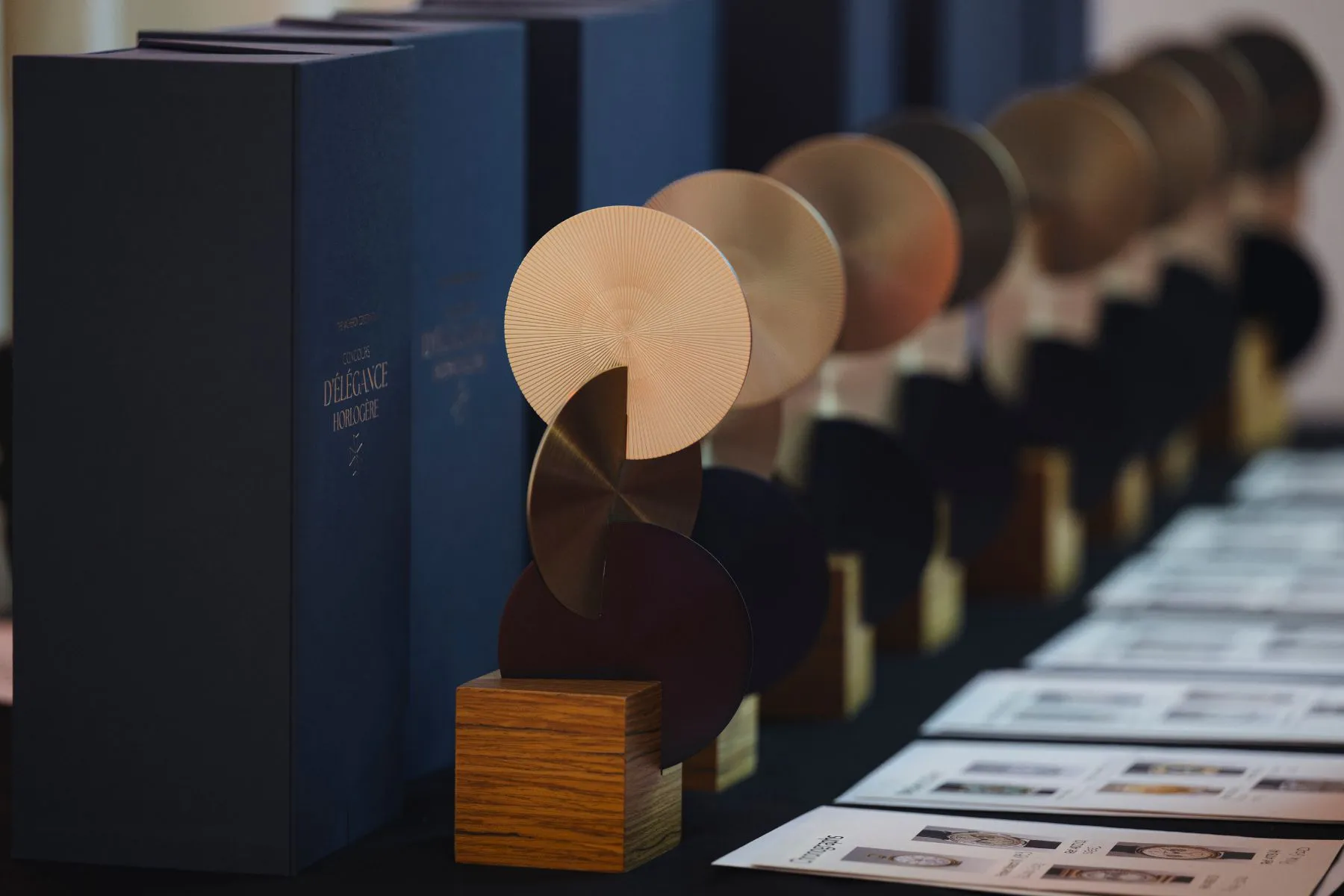
Vacheron Constantin Concours d’Élégance Horlogère: Eight Watches Celebrating Watchmaking Heritage
Seven category winners and one Best of Show prize highlight the technical excellence, historical significance and personal stories behind exceptional Vacheron Constantin timepieces.
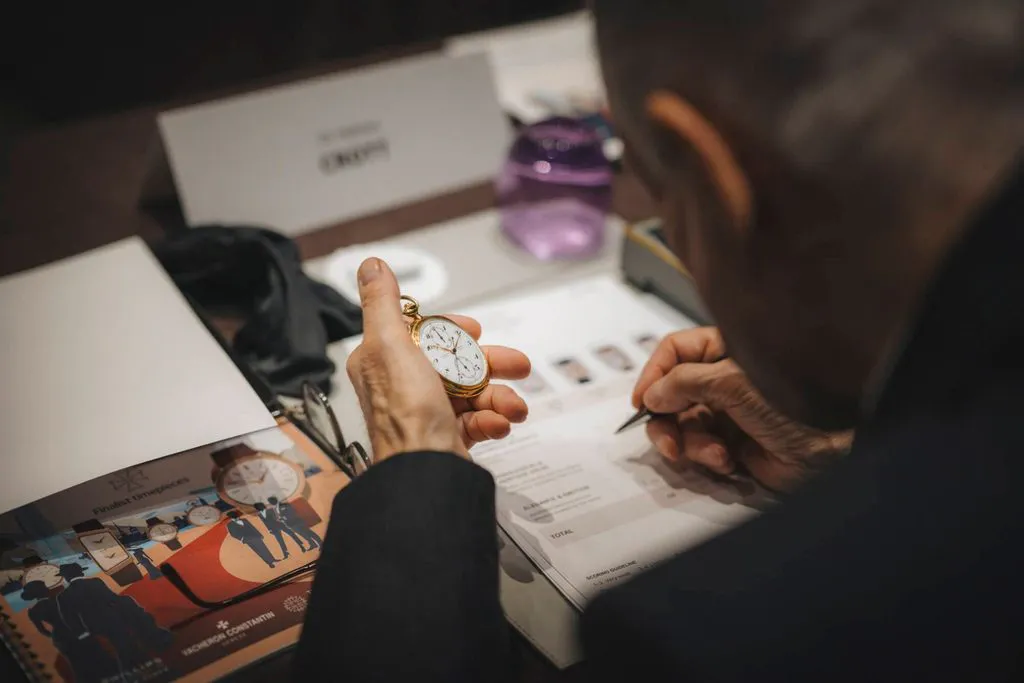
The Vacheron Constantin Concours d’Élégance Horlogère brought together collectors, historians and watchmaking specialists in Geneva to celebrate the richness of the Maison’s heritage. Initiated by Phillips in association with Bacs & Russo, the competition recognised exceptional timepieces from different periods, bringing their technical qualities and individual histories into the spotlight.

The awards ceremony took place on 10 November 2026 at the Hôtel Président in Geneva. In the presence of a bailiff, the jury announced seven winning watches, with one winner selected in each of the seven categories. An eighth timepiece received the jury’s Special Prize, known as Best of Show.
The event brought together 34 finalists from around the world. Beyond the watches themselves, the competition placed particular emphasis on the stories behind them, from royal ownership and historical journeys to family heirlooms preserved across generations.
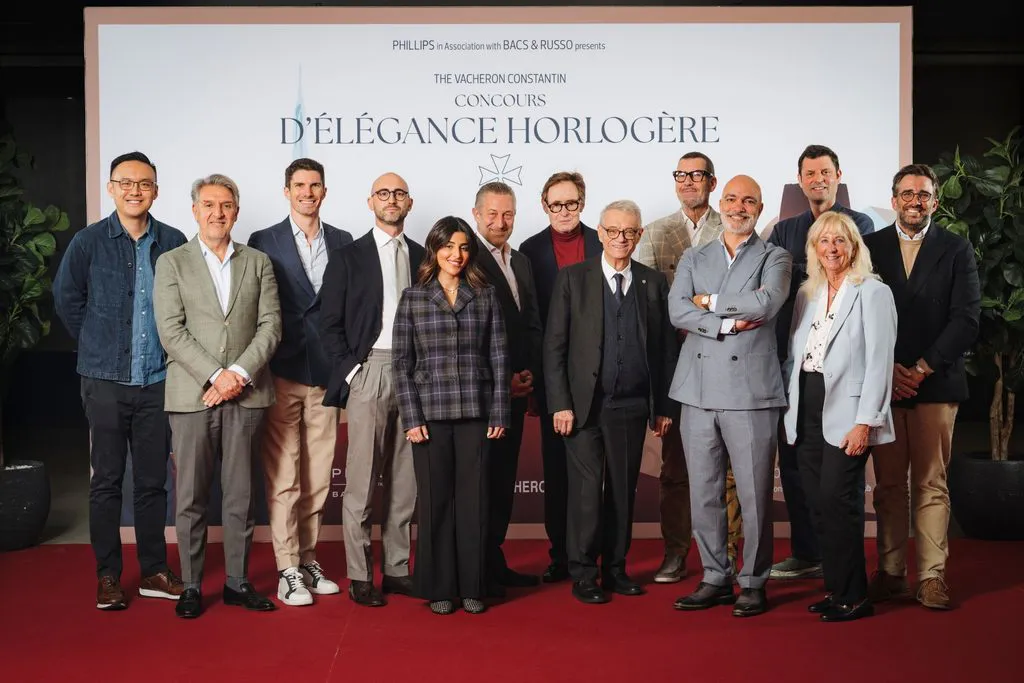
Vacheron Constantin Concours d’Élégance Horlogère: Seven Category Winners
The seven categories covered a broad range of watchmaking disciplines, including chronographs, Métiers d’Art, chronometry, astronomical complications, multiple complications, design and chiming mechanisms. The selected watches span several decades, from a 1926 minute repeater pocket watch to a 1976 Chronomètre Royal.
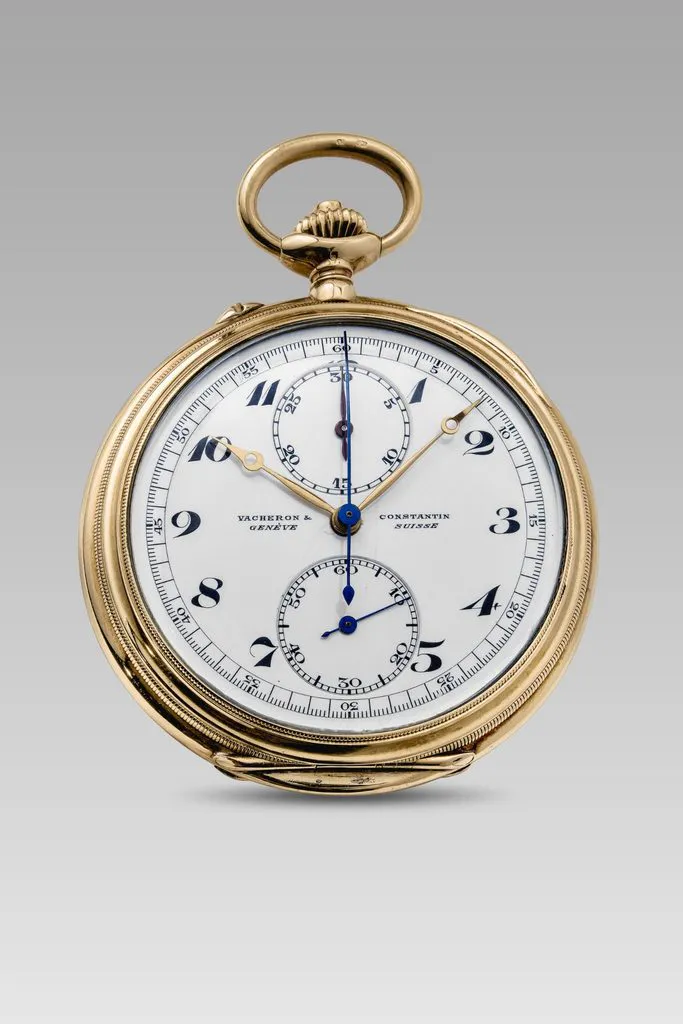
Chronographs: Pocket Chronograph, 1929
The winner in the Chronographs category is a Vacheron Constantin yellow-gold pocket chronograph dating from 1929. It features an enamel dial and a 53 mm round case, with a 19-ligne RA movement, 23 jewels and a single-pusher chronograph with a 30-minute counter. Winding is carried out through the pendant, while time setting is operated by a pusher.
Its significance extends well beyond its mechanical construction. The watch belonged to Dr. Gregorio Marañón, a prominent Spanish physician, intellectual and humanist. It was later presented to Marino Gómez-Santos by Gregorio Marañón Moya as a gesture of friendship and gratitude. According to the family tradition, Marañón carried the watch throughout his life and used it when taking his patients’ pulse.
The case is particularly noteworthy for its stepped bezel and finely executed coin-edge borders. The press material describes its design as exceptionally rare and potentially unique, making the watch both a technical and historical object of considerable interest.
Métiers d’Art: Pocket Watch, 1930
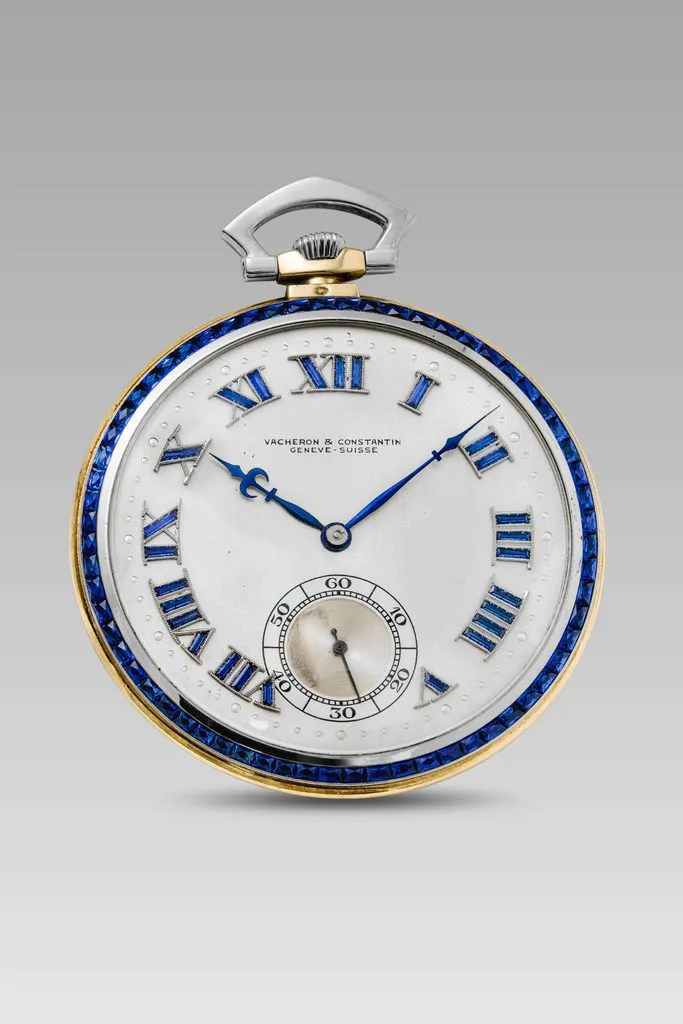
The Métiers d’Art category was won by a 1930 pocket watch in yellow and white gold, measuring 46 mm in diameter. Its RA 17-ligne 19/12 movement features 18 jewels and provides hours, minutes and small seconds. Both winding and time setting are operated through the pendant.
The watch was sold to King Alexander I of Yugoslavia and carries his enamelled crest. Its history is closely connected to the family of the current owner, whose great-grandfather, Dr. Otto von Frangeš, served as the King’s Minister of Agriculture and Senator.
The watch was reportedly present in the motorcade during Alexander I’s assassination in France in 1934. It subsequently survived the upheavals of the Second World War and an extraordinary journey into exile.
After the death of Otto von Frangeš in 1945, the watch passed through the family. It was secretly taken out from behind the Iron Curtain, sewn into the lining of a coat, before travelling through Trieste, Madrid and Lisbon. On Christmas Day 1947, the family eventually boarded a flight to New York. The timepiece later passed through successive generations, becoming a symbol of resilience, courage and family survival.
Chronomètre Royal: Royal Chronometer, 1976
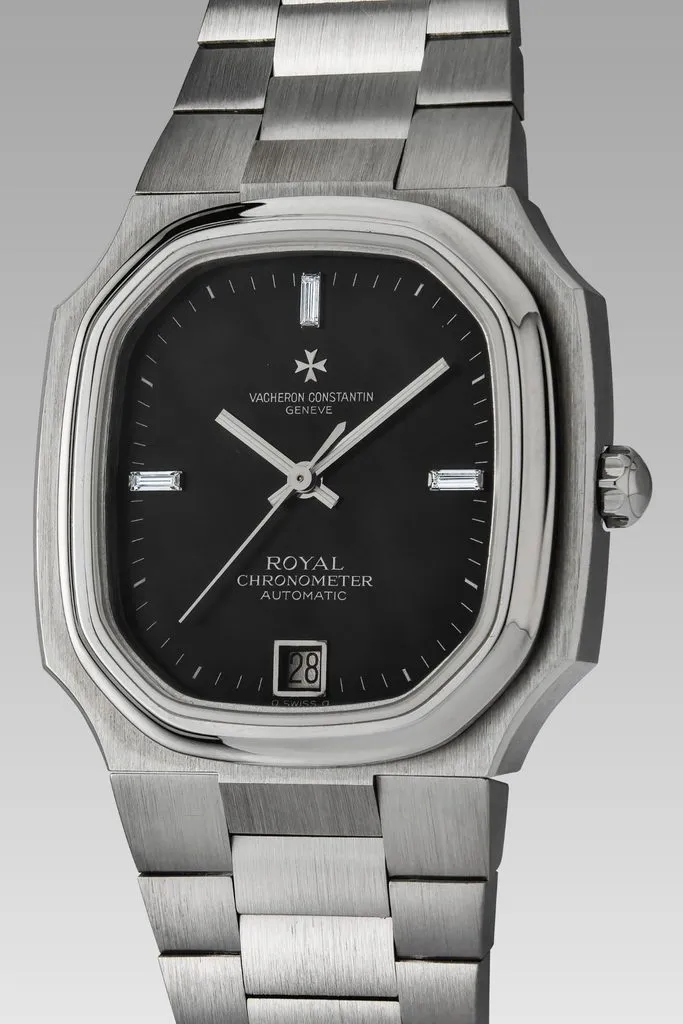
The Chronomètre Royal category was awarded to a stainless steel Vacheron Constantin Royal Chronometer from 1976, reference 2215. Its distinctive case sits between a square and a rectangular shape, measuring 35 × 36 mm. The black dial features three baguette-cut diamond hour markers.
Inside is the automatic Calibre 1096, a 12-ligne movement with 21 jewels, displaying hours, minutes and central seconds.
The owner’s collecting journey began around eight years ago, with an interest in the Chronomètre Royal line developing after encountering the collection at a Les Collectionneurs event in 2019. The reference 2215 became one of the most prized pieces in the collection, valued for its sharp case design, black dial and distinctive diamond markers.
Astronomical Complications: Full Date And Moon Phase, 1957
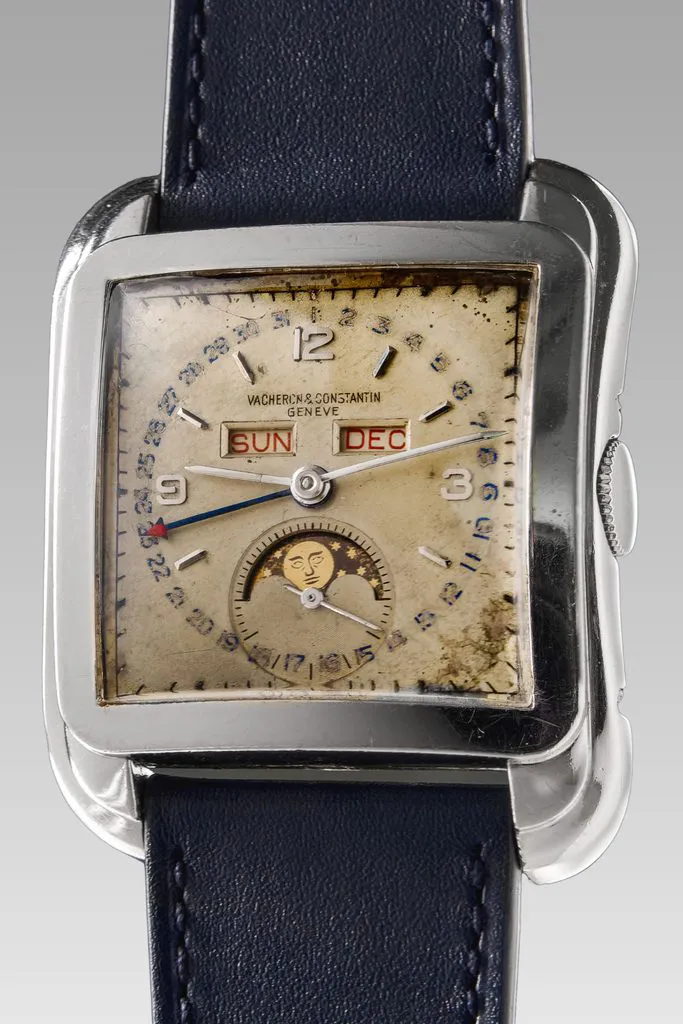
The winner in the Astronomical Complications category is a unique platinum Vacheron Constantin from 1957, reference 4764. Known as the Cioccolatone, this rectangular timepiece measures 34 × 43 mm and is powered by the hand-wound Calibre 495, featuring 17 jewels.
Its full calendar displays the date, day of the week and month, accompanied by a moon-phase indication and small seconds. The watch was produced as a single-piece edition, adding to its rarity and historical interest.
Multiple Complications: Retrograde Full Date And ‘Don Pancho’ Minute Repeater, 1940
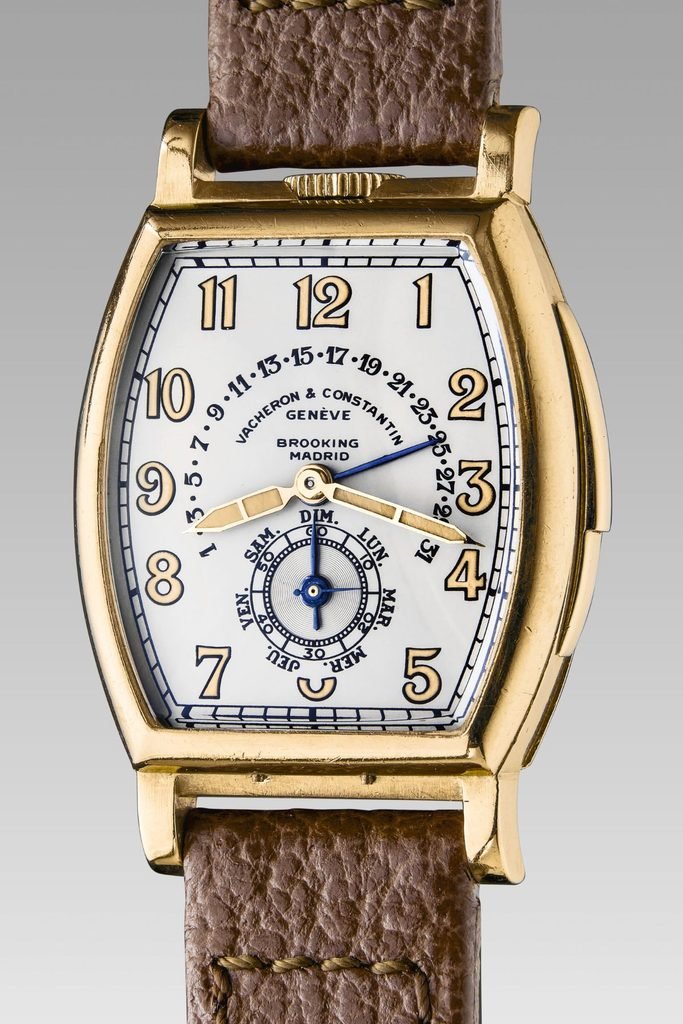
The Multiple Complications category recognises a unique yellow-gold tonneau-shaped wristwatch commissioned in 1935 by Chilean collector Francisco Martinez Llano, known as “Don Pancho”, and delivered in 1940.
The watch combines a minute repeater with a retrograde full-date indication. Its bespoke, hand-wound 11-ligne movement contains 29 jewels, while the silver-coloured dial was faithfully reproduced to match the original, without radium. The military-style hour markers complete the design, housed in a 28 × 42 mm yellow-gold case.
Long considered a lost treasure after disappearing in 1947, the watch was rediscovered decades later and meticulously restored by Vacheron Constantin’s Heritage workshops. Its combination of unusual complications, bespoke origins and restoration history makes it a remarkable example of mid-century haute horlogerie.
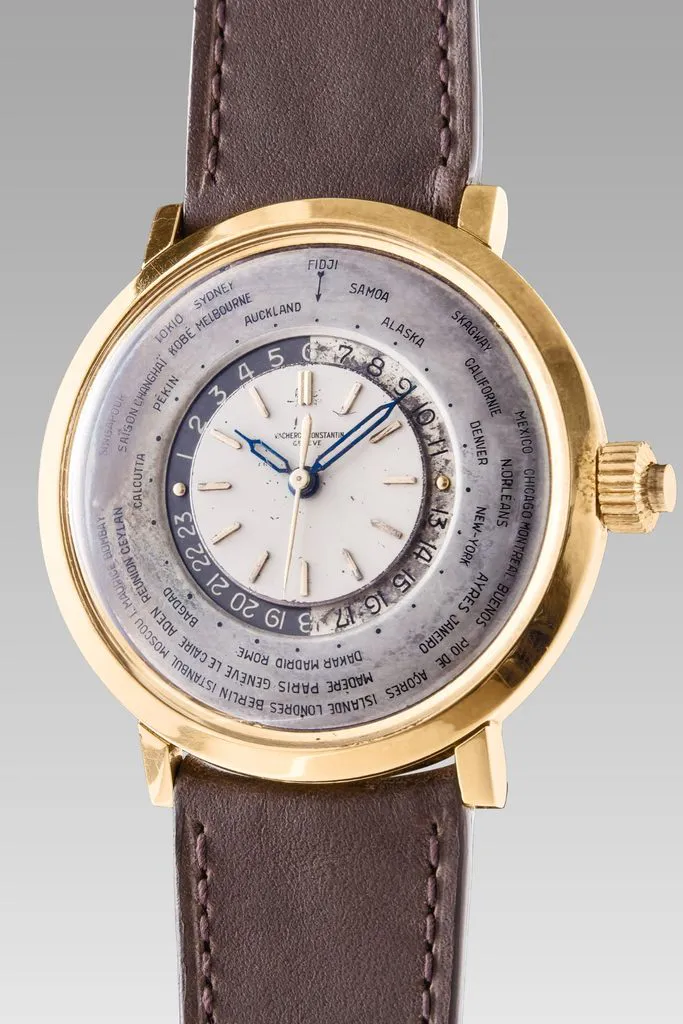
Design: World Time Wristwatch, 1957
The Design category was won by a rare 1957 Vacheron Constantin wristwatch, reference 6213, featuring a world-time display. Its 40 mm round yellow-gold case houses the automatic Calibre 1019, a 12-ligne movement with 21 jewels and central seconds.
The world-time function is based on the universal time mechanism developed by Louis Cottier. The watch has a silver-coloured dial, although the press material notes that its hands are not original and have been modified. The piece is described as extremely rare and probably unique.
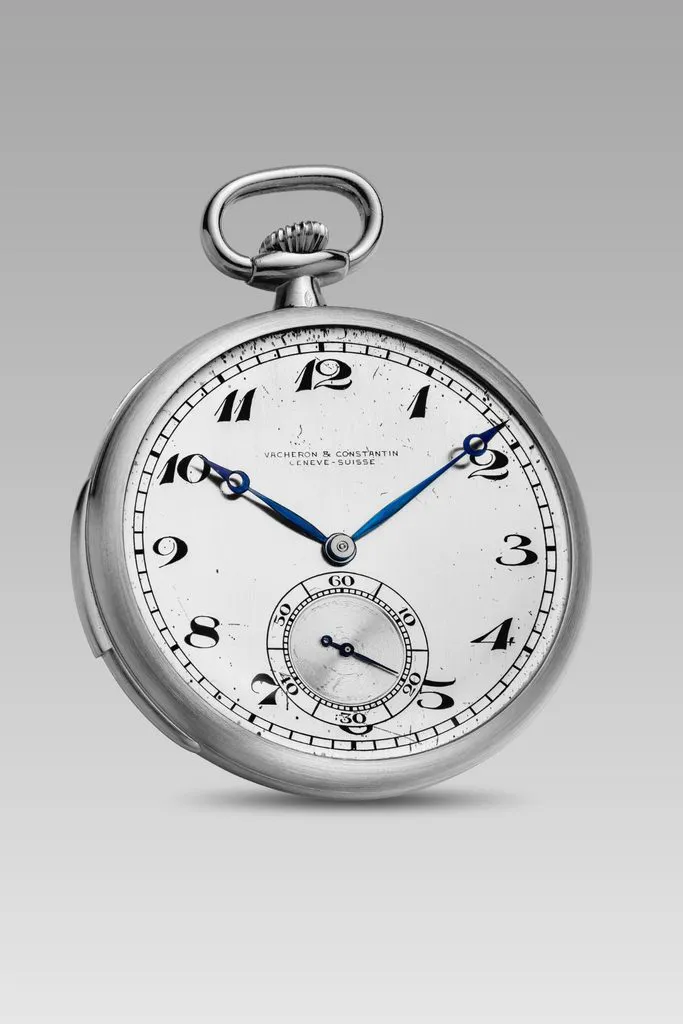
Chiming Mechanisms: Minute Repeater Pocket Watch, 1926
The winner in the Chiming Mechanisms category is a platinum pocket watch dating from 1926. Its round case measures 46 mm in diameter and houses an RA 17/18-ligne movement with 29 jewels. Both winding and time setting are operated through the pendant.
The watch features a minute repeater, a complication that chimes the hours, quarters and minutes on demand. Its story is also deeply personal: it belonged to the owner’s grandfather, then passed to their father, before becoming part of the current owner’s collection.
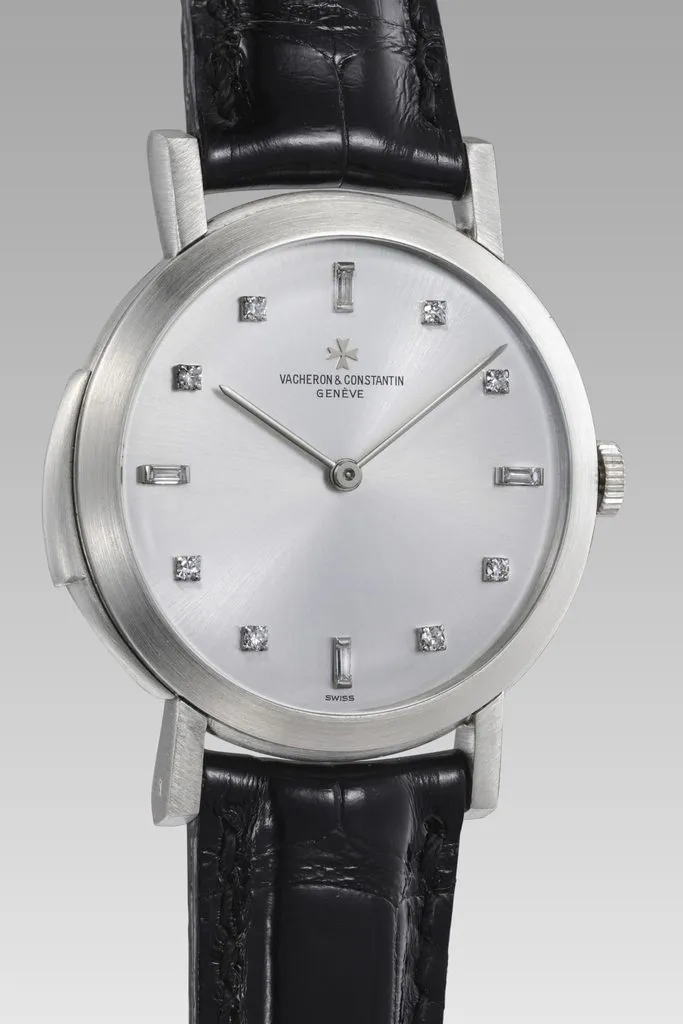
Best Of Show: Minute Repeater Watch, 1962
The Special Jury Prize, Best of Show, was awarded to a unique Vacheron Constantin minute repeater wristwatch from 1962, reference 6448. The watch is fitted with a round platinum case, a silver-coloured dial and diamond hour markers. Its diameter is 36 mm.
Inside is the ultra-thin, manually wound JMV RA 13-ligne movement, featuring 29 jewels and a minute repeater. The case design, unusual origins and exceptional state of preservation were among the qualities highlighted in the jury’s recognition.
Although Vacheron Constantin was aware of the model’s existence, the Maison had not previously had the opportunity to examine and handle this particular example at close quarters. The award therefore also reflects the importance of bringing previously less familiar pieces of the manufacture’s heritage into the spotlight.
A Celebration Of Watches And The Stories They Carry
The Vacheron Constantin Concours d’Élégance Horlogère goes beyond a conventional watch competition. Its eight recognised timepieces illustrate different aspects of the Maison’s history, from mechanical innovation and design to craftsmanship, rarity and personal provenance.
The stories associated with these watches are just as compelling as their technical specifications. A royal pocket watch that crossed post-war Europe, a chronograph carried by a renowned physician, and family heirlooms passed from one generation to the next demonstrate how watches can become tangible records of personal and cultural history.
By bringing together seven category winners and the Best of Show recipient, the initiative by Vacheron Constantin and Phillips, in association with Bacs & Russo, offered a distinctive perspective on the value of collecting: not simply the ownership of exceptional objects, but the preservation and sharing of the stories attached to them.
For more information, please visit the official Phillips and Vacheron Constantin websites.
Explore the releases of 2026.